12 HR Automation Tools to Save Time and Money on Recruitment
12 HR Automation Tools to Save Time and Money on Recruitment
HR teams often struggle with manual resume screening, interview scheduling, and endless email chains while top candidates slip away to faster competitors. Recruitment automation tools have become essential for companies that want to hire efficiently without burning through budgets or exhausting their teams. These solutions transform hiring processes by cutting costs and accelerating every stage from job posting to onboarding.
Modern automation platforms eliminate the need to juggle multiple systems and manual tasks by providing streamlined workflows for candidate tracking, automated communications, and compliance checks. Companies can focus on connecting with people instead of wrestling with spreadsheets and administrative bottlenecks. Whether building local teams or hiring across borders, organizations benefit from implementing a comprehensive global HR system.
Summary
- Automation accelerates existing processes, which means broken workflows simply fail faster. According to GoWorkWize, 74% of organizations are increasing investment in HR technology, yet integration and data visibility remain the most common barriers to achieving value. Teams buy platforms expecting transformation and end up with fragmented systems that require just as much manual intervention, only now across multiple interfaces instead of one.
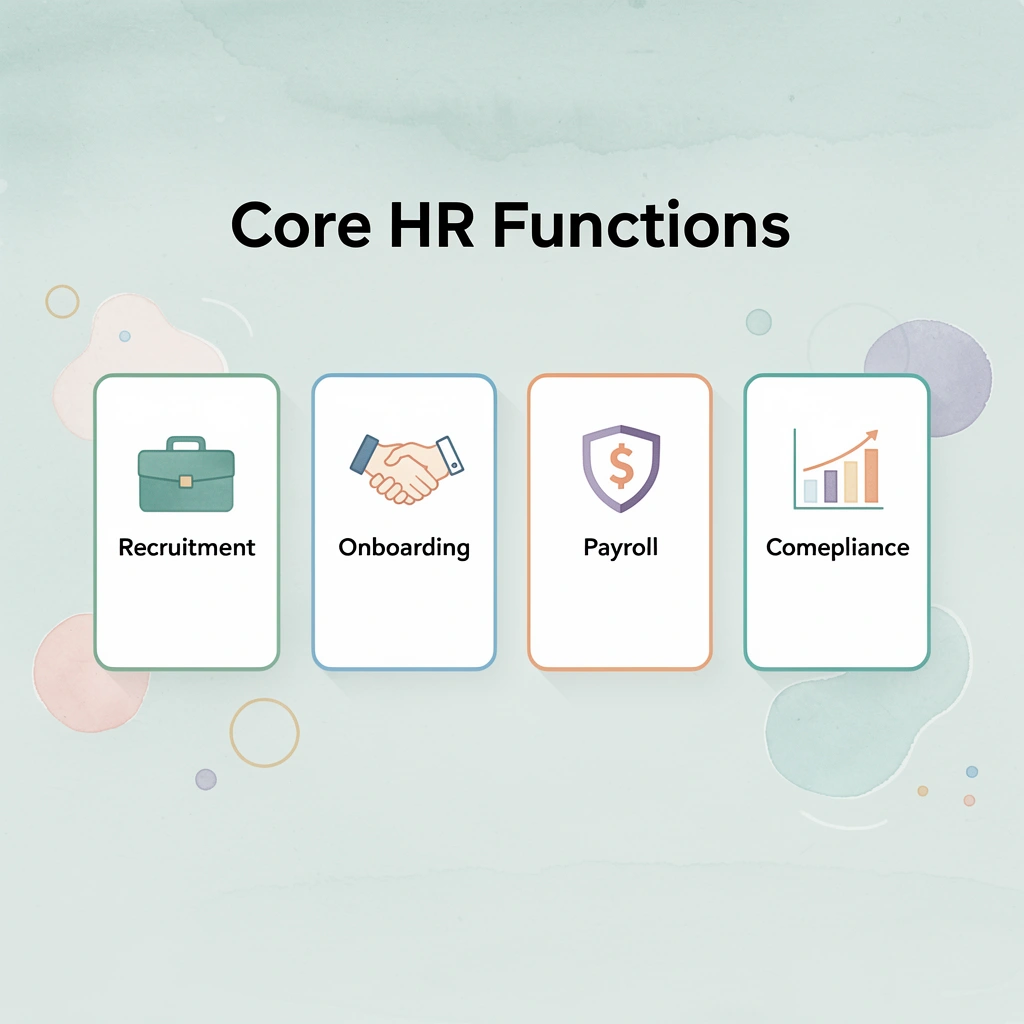
- HR automation can reduce administrative tasks by up to 40%, but that reduction typically occurs when automation addresses gaps between systems, not just within them. The greatest value comes not from automating a single workflow, but from creating connected workforce operations in which recruitment data flows into onboarding, triggering payroll setup and compliance documentation without manual handoffs.
- Research shows that 73% of HR professionals cite lack of proper training as a major barrier to successful automation implementation. Implementation failures rarely stem from choosing the wrong software. They happen because organizations automate inefficient processes, ignore integration requirements, or treat technology as a substitute for clear thinking.
- Nearly 50% of total HR budgets are now allocated to HR technology investments, with centralization and workforce visibility as primary drivers. This shift reflects organizations recognizing that the question isn't whether to automate, but whether current systems create the visibility and capacity needed to support growth without breaking.
- Organizations can achieve 99.9% accuracy in payroll calculations when payroll systems integrate with broader workforce management workflows. A 90% reduction in payroll processing time becomes possible when recruitment, onboarding, payroll, compliance, and contractor management operate through connected workflows rather than isolated tools.
- Mercer found that 84% of organizations identified delivering a globally consistent employee experience as a top priority, helping explain why many employers are investing heavily in centralized HR technology. Cercli's global HR system addresses this by integrating recruitment, onboarding, payroll, compliance, and contractor management into a single platform designed for organizations operating across multiple countries and employment models.
Why HR Automation Does Not Automatically Create Better HR Operations
Automation doesn't fix broken processes—it speeds them up. If your onboarding workflow involves duplicate approvals, manual data transfers between systems, and unclear handoffs, automating parts of it means those inefficiencies occur more quickly. The bottleneck remains, and you've made it more expensive.
🔑 Key Point: Automation amplifies your existing processes—both the good and the bad. Fix the workflow before you automate it.
Most organizations treat automation as the solution rather than the enabler. According to GoWorkWize, 74% of organizations are increasing investment in HR technology, yet integration and data visibility remain the most common barriers to achieving value. Teams buy platforms expecting transformation and end up with fragmented systems requiring manual intervention across multiple interfaces.
"74% of organizations are increasing investment in HR technology, yet integration and data visibility remain the most common barriers to achieving value." — GoWorkWize
⚠️ Warning: Buying more HR tech without addressing process integration creates expensive complexity, not efficiency.
Why do HR systems remain disconnected?
HR functions rarely live in one place. Recruitment happens in an applicant tracking system. Onboarding runs through a separate portal. Payroll exists in its own software. Compliance records are scattered across shared drives and legacy databases. Even when individual tasks are automated, HR teams manually move information between these disconnected tools.
What problems do these handoffs create?
These handoffs create delays and increase the risk of errors. A new hire's information gets entered three times across three platforms. When someone needs to answer operational questions—where onboarding delays occur, which departments slow approvals, how quickly new hires become productive—the data exists but remains inaccessible because it's trapped in silos.
What visibility actually requires
The familiar approach is to build reports from each system individually, then manually reconcile data in spreadsheets. As your workforce grows, this breaks down: numbers conflict between platforms, timestamps don't align, and you spend more time validating data than acting on it.
How do unified platforms solve data fragmentation?
Platforms like global HR system connect hiring, onboarding, payroll, compliance, and workforce management in one unified view. Our Cercli platform helps your team see the complete employee lifecycle in real time, from first interview to final payslip, with automated compliance checks.
What makes automation genuinely valuable?
The goal is to create operational clarity. When HR processes connect rather than working separately, automation becomes valuable by accelerating workflows and improving visibility. You're not moving quicker—you're moving with clear purpose, backed by complete information about your employees.
But before any of that matters, you need to understand what these tools do and which ones fix real problems versus which ones simply add another login to your list.
What Are HR Automation Tools?
HR automation tools are software platforms that handle repetitive administrative work across the employee lifecycle without manual intervention. Instead of HR teams entering data, chasing approvals, or coordinating workflows through email and spreadsheets, these systems execute those tasks automatically based on predefined rules and triggers. They create consistent processes, reduce errors, and give HR teams visibility into workforce activity.
💡 Example: When a new employee starts, HR automation tools can automatically create user accounts, send welcome emails, assign training modules, and update payroll systems without HR staff touching a single form.
"HR automation can reduce administrative tasks by up to 75%, allowing HR teams to focus on strategic initiatives rather than repetitive paperwork." — HR Technology Research, 2024
🔑 Key Takeaway: HR automation tools transform HR departments from reactive administrative centers into proactive strategic partners by eliminating time-consuming manual tasks.

How does recruitment automation streamline hiring processes?
Recruitment automation handles candidate tracking, application screening, interview scheduling, and hiring workflows. The system moves candidates through different stages, notifies stakeholders of progress, and maintains records without manual coordination.
What does onboarding automation accomplish for new hires?
Onboarding automation handles document collection, task assignments, approvals, and new hire communications. When someone accepts an offer, the system initiates a sequence: contracts are sent, equipment requests are logged, access provisioning begins, and managers receive checklists. According to viasocket.com, companies using HR automation tools see a 50% reduction in onboarding time.
How do payroll and benefits automation systems work?
Payroll automation calculates salaries, processes payments, generates reports, and handles tax filings. Leave management automates requests, approvals, and balance tracking. Benefits administration manages enrollment, eligibility checks, and updates. Compliance management tracks documentation requirements, maintains audit trails, and flags missing records before they become problems.
What insights do performance management and analytics provide?
Performance management automation streamlines review cycles, goal tracking, and feedback collection. Workforce analytics provide clear visibility into headcount trends, turnover patterns, hiring velocity, and other metrics that inform planning decisions.
Task automation versus end-to-end automation
Task automation focuses on individual activities: automating leave requests, scheduling interviews, or calculating payroll. These improvements matter, but they don't address the larger structural problem: disconnected systems.
How does end-to-end automation connect HR functions?
End-to-end automation connects multiple HR functions within a single platform: recruitment data flows into onboarding, onboarding data flows into payroll, payroll data connects to compliance tracking, and performance data informs workforce planning.
Information moves between processes without requiring export, transformation, and re-import. Platforms like Cercli's global HR system consolidate these workflows into unified systems, eliminating the manual handoffs that persist even after individual tasks are automated.
Why does data fragmentation persist despite task automation?
Many organizations automate separate activities while employee data remains scattered across an ATS, onboarding portal, payroll system, and compliance tracker. Administrative effort decreases for specific tasks, but visibility stays limited because no single system holds a complete view of the employee lifecycle.
That fragmentation creates the reconciliation work automation was supposed to eliminate. The most effective HR automation connects workforce processes so information flows naturally from one stage to the next, reducing manual work and system gaps.
But knowing what HR automation does doesn't tell you which tools solve real problems versus which ones add another login to your stack.
Related Reading
- Candidate Screening Questions
- Candidate Screening Process
- Automated Candidate Screening
- Steps in the Recruitment Process
- End to End Recruitment Process
- Recruiting Funnel Metrics
- AI in Recruitment Examples
- Recruitment Lifecycle
- Best Recruitment Strategies
12 HR Automation Tools to Consider
The right HR automation platform should solve your organization's specific operational challenges, not digitize manual processes. What matters is whether features connect workforce processes to reduce handoffs, eliminate data re-entry, and provide visibility across the entire employee lifecycle.

When operations span multiple countries or involve complex workforce structures (employees, contractors, EOR arrangements), automation's value compounds when platforms connect recruitment, payroll, and compliance rather than isolating each function in separate tools.
1. Cercli
Best for
UAE, Saudi Arabia, and MENA organizations seeking connected HR automation across recruitment, payroll, compliance, contractor management, EOR, and workforce operations.
Cercli automates HR processes across the entire employee lifecycle by combining ATS capabilities, onboarding workflows, payroll operations, compliance management, contractor administration, and Employer of Record (EOR) services in a single system. This integrated approach reduces manual handoffs between recruitment, onboarding, payroll, and HR teams while providing visibility into workforce operations across multiple countries.
2. Bayzat
Best for
UAE-based businesses seeking HR and payroll automation.
Bayzat brings together HR administration, payroll management, benefits administration, and employee self-service features. The platform automates routine HR tasks while giving employees direct access to leave requests, personal information, and benefits activities.
3. ZenHR
Best for
Organizations in the Middle East and North Africa need HR automation and employee management.
ZenHR offers HR automation for organizations in the Middle East, supporting employee records, leave administration, attendance tracking, HR reporting, and centralized workforce information. The platform provides tools for day-to-day employee administration and workforce visibility across regional teams.
4. GulfHR
Best for
Organizations in the GCC region seeking HR automation.
GulfHR focuses on workforce administration and HR management within GCC markets, supporting employee management, payroll operations, workforce records, and HR workflows. Its regional focus appeals to organizations needing HR software tailored to Gulf employment environments.
5. Darwinbox
Best for
Large companies managing complex HR operations.
Darwinbox automates multiple HR functions, including employee lifecycle management, talent management, workforce administration, and HR analytics. The platform suits larger organizations seeking to standardize HR operations across multiple departments and locations.
6. PeopleStrong
Best for
Large organizations focus on managing their workforce and talent operations.
PeopleStrong combines recruitment automation, employee management, performance workflows, and workforce reporting in a single HR platform. Organizations can automate routine HR processes while tracking talent acquisition and employee lifecycle activities.
7. SAP SuccessFactors
Best for
Large multinational organizations.
SAP SuccessFactors is an enterprise HR platform supporting HR process automation, talent management, workforce planning, and employee lifecycle management through recruitment, employee development, succession planning, and workforce analytics.
8. Oracle Fusion HCM
Best for
Large companies need extensive HR automation and workforce visibility.
Oracle Fusion HCM provides workflow automation, payroll integration, talent management, and workforce analytics tools. The platform suits organizations needing detailed reports, workforce planning, and consistent processes across large employee bases.
9. Workday
Best for
Organizations seeking unified HR and workforce automation.
Workday brings together HR administration, employee lifecycle management, workforce planning, and reporting on a single platform. Organizations can automate workforce processes while tracking employee data, workforce trends, and operational performance.
10. BambooHR
Best for
Small and mid-sized businesses.
BambooHR streamlines HR administration through employee record management, onboarding workflows, time-off management, and HR reporting. The platform reduces administrative burden for growing businesses that don't need enterprise-level systems, offering a straightforward interface for HR automation.
11. HiBob
Best for
Growing companies focused on employee experience.
HiBob brings together HR workflows, employee engagement, and workforce insights to support onboarding automation, workforce administration, and organizational culture initiatives.
12. Deel
Best for
Global organizations managing international employees and contractors.
Deel specializes in international hiring, contractor management, global payroll, and compliance administration. The platform automates administrative processes for distributed workforces across multiple countries, reducing the complexity of international employment arrangements.
What factors determine the right HR automation tool for your organization?
The best HR automation tool depends on the challenges your organization faces. Some platforms focus on specific HR functions such as payroll, employee management, or contractor administration, while others provide broader automation across recruitment, onboarding, workforce management, compliance, and the employee lifecycle.
Most teams evaluate HR platforms by comparing feature lists across categories: payroll, benefits, time tracking, and reporting. This approach works for single-country operations with low workforce complexity. As organizations expand across borders or manage mixed workforce types—full-time employees, contractors, and EOR arrangements—how features connect matters more than feature parity.
How does automation improve HR strategic focus?
According to Deel Blog, 73% of HR leaders say automation has improved their ability to focus on strategic work. This shift occurs when platforms eliminate manual reconciliation work created by disconnected systems. When recruitment data flows directly into onboarding, triggering payroll setup and compliance documentation without manual handoffs, HR teams spend less time moving information between systems and more time addressing workforce challenges that require human judgment.
Organizations operating across multiple countries or managing complex workforces benefit from platforms that connect HR functions together rather than automating individual tasks in isolation. Our Cercli platform consolidates recruitment, payroll, compliance, and contractor management within a unified system, reducing manual coordination while maintaining visibility across the entire employee lifecycle.
Deel Blog reports that HR automation can reduce administrative tasks by up to 40%, though this reduction typically occurs when automation addresses gaps between systems rather than tasks within them.
What Features Should You Look for in HR Automation Tools?
The most valuable features aren't those that automate individual tasks, but those that connect processes together. You need tools that eliminate gaps between recruitment, onboarding, payroll, compliance, and workforce management. The difference between automation that saves time and automation that transforms operations lies in how well those capabilities integrate.
🎯 Key Point: Look for HR automation tools that offer seamless integration across multiple HR functions rather than standalone solutions that create data silos.
"The difference between automation that saves time and automation that transforms operations lies in how well those capabilities integrate."
💡 Tip: Prioritize platforms that can eliminate manual data entry between systems and provide unified reporting across all HR processes.
Workflow Automation That Eliminates Handoffs
Strong workflow automation removes manual handoffs between steps. Employee requests, approvals, notifications, and status updates should flow through set sequences without intervention. When someone submits a leave request, the system should route it to the appropriate manager, send reminders as needed, update calendars upon approval, and log all activity for compliance purposes. Deel Blog reports that 73% of HR professionals say automation has improved their efficiency, but that improvement depends on whether the automation addresses transitions between tasks, not just the tasks themselves. If your platform can automate approvals but still requires manual data entry to update payroll, you've only solved half the problem.
Recruitment and Onboarding as One Continuous Process
The moment a candidate accepts an offer, they shouldn't disappear into an administrative gap. Recruitment platforms that include applicant tracking, interview scheduling, and hiring workflows need to connect directly to onboarding systems that handle document collection, equipment requests, access provisioning, and new-hire communications. When these functions operate separately, HR staff manually transfer information and chase down tasks. Platforms like Cercli eliminate that handoff by treating recruitment and onboarding as a single workflow, where candidate data flows automatically into employee records without duplication or delay.
Payroll Automation That Reduces Manual Calculations
Payroll automation manages salary administration, payroll reporting, payment workflows, and record management across different employment types and jurisdictions. The best systems pull data directly from timesheets, leave records, and employee changes, eliminating the need for HR teams to reconcile spreadsheets or manually adjust calculations. If your payroll system requires exporting data from one platform, formatting it, and uploading it to another, you've digitized a manual process rather than automated it.
Compliance Management That Tracks Requirements Automatically
Following rules gets harder as organizations grow, especially across multiple countries with different employment laws. The right HR automation tools track documentation requirements, policy acknowledgments, employment records, and regulatory deadlines without relying on HR teams to remember what's due. For organizations operating across the UAE, Saudi Arabia, and the wider MENA region, this is critical because employment requirements vary significantly between jurisdictions. Cercli helps by flagging missing documents, triggering renewal reminders, and maintaining audit trails without manual oversight.
Integration Capabilities That Connect Your Existing Systems
Strong integration capabilities are critical. Most organizations already use payroll software, recruitment tools, finance systems, and workforce management platforms. If your HR automation tool can't integrate with those systems, you're adding another disconnected platform to manage. Integration enables workforce data to flow across systems without manual transfers, reducing duplication and improving visibility. When recruitment, onboarding, payroll, and compliance share the same data source, you stop reconciling discrepancies and gain clear insight into your workforce.
But knowing which features to look for doesn't prepare you for the mistakes most teams make when implementing them.
Common HR Automation Mistakes
Implementation failures rarely occur because organizations choose the wrong software. They happen when organizations automate inefficient processes, ignore integration requirements, or treat technology as a substitute for clear thinking. Pentabell HR Automation Statistics found that 73% of HR professionals report a lack of proper training as a major barrier to successful automation implementation.
"73% of HR professionals report lack of proper training as a major barrier to successful automation implementation." — SHRM Research, 2024
🚨 Warning: The biggest mistake isn't choosing the wrong technology; it's automating the wrong processes without proper training and integration planning.
🔑 Key Takeaway: Technology success depends more on process optimization and team preparation than on software features.

Automating Broken Processes
Going fast without a clear goal creates costly problems. Automating a broken process—such as an approval workflow that requires six unnecessary signatures, involves duplicate data entry, or relies on outdated compliance steps—accelerates bad decisions. Before automating anything, ask whether the process itself makes sense. If the answer is "that's how we've always done it," you're about to automate a problem.
Using Disconnected Systems
Different tools for hiring, onboarding, payroll, and benefits work well individually, but disconnected systems create problems. HR teams must manually transfer candidate information into onboarding systems and then re-enter the details into payroll platforms. Each transfer between systems takes longer and introduces errors—you don't reduce administrative work; you simply relocate it.
Platforms like global HR system consolidate hiring, onboarding, payroll, and compliance management in one place. Cercli helps teams across the UAE, Saudi Arabia, and the wider MENA region eliminate manual data transfers between systems while ensuring compliance with employment rules across different countries.
Focusing Only on Efficiency
Automation that reduces administrative work without improving workforce visibility misses the larger opportunity. The greatest value comes from better hiring decisions, clearer retention patterns, and faster identification of skill gaps. When you view automation solely as a means of eliminating manual tasks, you optimize for the wrong outcome. The question isn't "how do we process leave requests faster?" but "what workforce patterns should we see that we currently don't?"
Ignoring Compliance Requirements
Employment rules, payroll obligations, and documentation requirements differ across countries. Automating HR processes without accounting for these differences creates legal risk, particularly for organizations managing workforces across multiple locations. Compliance must be built into workflow operations, data storage, and reporting functions, not added after implementation. Automation should ease compliance, not create new risks.
Avoiding these mistakes does not guarantee that automation will support growth.
Related Reading
- Recruitment Analytics Software
- How Can I Use Ai To Improve My Job Descriptions
- Hr Automation Tools
- Best Job Descriptions
- How To Write A Job Description
- Automate Interview Scheduling
- How To Use Ai In Recruitment
- Candidate Screening Tools
- Best Tools For Remote Recruitment
- Companies Using Ai For Recruitment
- Best Recruitment Crm
How HR Automation Supports Workforce Growth
Automation's value comes from how it fundamentally changes what HR teams can handle as organizations grow. When recruitment volumes double, when you're managing employees across three countries instead of one, when compliance documentation multiplies, automation determines whether those challenges slow you down or become manageable. The difference lies in building systems that expand capacity without requiring proportional increases in staff or resources.

The greatest long-term value comes from creating operational infrastructure that scales without breaking. This means HR processes designed to handle 100 employees can seamlessly adapt to support 1,000 employees without requiring complete system overhauls or dramatic workflow changes. Smart automation builds the foundation for sustainable growth, not merely short-term efficiency gains.
Administrative capacity creates strategic bandwidth
Automating leave requests, payroll processing, employee record updates, and approval workflows frees HR teams to focus on workforce planning, employee development, and organizational design instead of repetitive tasks.
According to Mercer research, nearly 50% of total HR budgets are allocated to HR technology investments, with centralization and workforce visibility as primary drivers. The question isn't whether to automate, but whether your current systems create the visibility and capacity needed to support growth.
Workforce visibility becomes harder as you scale
At 50 employees, spreadsheets work for tracking headcount and hiring. At 500 employees across multiple countries with contractors and full-time staff, that approach fails. You lose visibility into who's being hired, when onboarding finishes, which roles are open, and what compliance paperwork is missing.
HR automation platforms track workforce activity throughout the employee lifecycle, supporting headcount planning, workforce reporting, organizational growth, and hiring monitoring. Without reliable workforce data, scaling becomes reactive: you respond to problems instead of planning ahead.
Compliance requirements multiply with workforce size
When companies grow, they need better record-keeping, more sophisticated payroll management, and stricter compliance. Manual tracking of employee information, document storage, and audit preparation becomes inefficient. For organizations operating across the UAE, Saudi Arabia, and the wider MENA region, where employment regulations vary by location, automated systems maintain consistency without a proportional increase in administrative burden.
Platforms like global HR system consolidate recruitment, onboarding, payroll, and compliance into one system, streamlining operations across countries. Our Cercli solution gives teams managing employees and contractors in multiple countries visibility and control without separate tools for each function.
Connected systems reduce operational friction
Manual HR processes break down as organizations grow. Spreadsheets require constant updates, disconnected systems need manual reconciliation, and approval workflows slow down with additional stakeholders.
Connected HR automation reduces friction by integrating recruitment, onboarding, payroll, compliance, and workforce management into one system. This delivers the visibility, consistency, and operational efficiency needed to scale. Research from Mercer found that 84% of organizations identified delivering a globally consistent employee experience as a top priority, driving investment in centralized HR technology and workforce platforms.
Choosing the right platform matters significantly.
Related Reading
- Social Media Recruitment Strategies
- Corporate Recruitment Strategies
- Recruitment Process Outsourcing
- Top Recruitment Process Outsourcing Companies
- How To Improve The Recruitment Process
- Workable Alternatives
- Manatal Alternatives
- Braintrust Alternatives
- Workable Vs Greenhouse
How Cercli Helps Companies Automate HR Operations
Cercli connects hiring, onboarding, payroll, compliance, contractor management, and Employer of Record services in one unified platform for organizations across the UAE, Saudi Arabia, and the wider MENA region. Rather than managing workforce operations across disconnected systems, our global HR system automates processes while tracking everything from candidate entry through the employee lifecycle.

🎯 Key Point: Cercli eliminates the complexity of managing multiple HR vendors by consolidating all workforce operations into a single integrated platform designed specifically for MENA market requirements.
"Organizations using integrated HR platforms see 40% faster onboarding times and 25% reduction in administrative overhead compared to fragmented multi-vendor approaches." — HR Technology Research, 2024
💡 Best Practice: Companies leveraging unified HR systems can focus their resources on strategic talent development rather than spending time on manual administrative tasks and system integration challenges.
Recruitment to Onboarding Without Manual Handoffs
When a candidate accepts an offer, their information flows directly into onboarding workflows. Document collection, equipment requests, and access provisioning begin automatically, eliminating manual data re-entry across systems. New hires complete required paperwork before their start date, reducing HR administrative burden and accelerating time-to-productivity.
Centralized Employee Records and Workforce Visibility
Employee information stays in one place instead of being scattered across multiple platforms. HR teams can access workforce data, employment history, and documentation without switching between systems or reconciling conflicting records. This proves especially helpful when managing employees across different countries, where varying documentation requirements and employment regulations add complexity.
Payroll Connected to Workforce Operations
Payroll processes connect directly to employee records and onboarding activities. According to Cercli, organizations can achieve 99.9% accuracy in payroll calculations when payroll systems integrate with broader workforce management workflows. Salary calculations, tax filings, and payment processing occur with reduced manual intervention. Teams managing payroll across multiple countries benefit from a connected system rather than coordinating separate processes for each location.
Compliance and Contractor Management
Cercli provides a clear view of your workforce data and administrative requirements while supporting a range of employment arrangements. Organizations can manage both employees and contractors, hire people globally through EOR services, and expand into new markets without setting up separate legal entities, reducing the time and costs of geographic expansion.
Connected Workflows That Reduce Fragmentation
Most platforms stop at basic features like applicant tracking or payroll processing. Cercli addresses the operational reality global teams face: managing multiple entities, navigating varying regulations, and maintaining visibility across distributed workforces. When recruitment, onboarding, payroll, compliance, and contractor management operate through connected workflows rather than isolated tools, organizations reduce duplicate data entry, eliminate manual reconciliation, and compress administrative cycles. Our global HR system reports a 90% reduction in payroll processing time when these systems work together instead of requiring manual coordination between platforms. Cercli enables organizations to achieve this integration seamlessly.
Your current approach must support the complexity ahead.
Book a Demo to Speak with Our Team about Our Global HR System
Book a Cercli demo if your organization struggles with fragmented systems, manual processes, or limited workforce visibility. The session identifies operational bottlenecks and demonstrates how our connected HR automation supports efficient workforce management across the entire employee lifecycle.
🎯 Key Point: Every demo session is tailored to your organization's specific operational challenges and compliance requirements.
The conversation starts with your current challenges: managing multi-country payroll, coordinating recruitment across entities, or eliminating duplicate data entry. The demo shows how our consolidation addresses your specific friction points, including how recruitment workflows connect to onboarding triggers, how payroll integrates with workforce records, and how our compliance automation adapts to regulatory requirements in your operating countries without manual configuration for each jurisdiction.
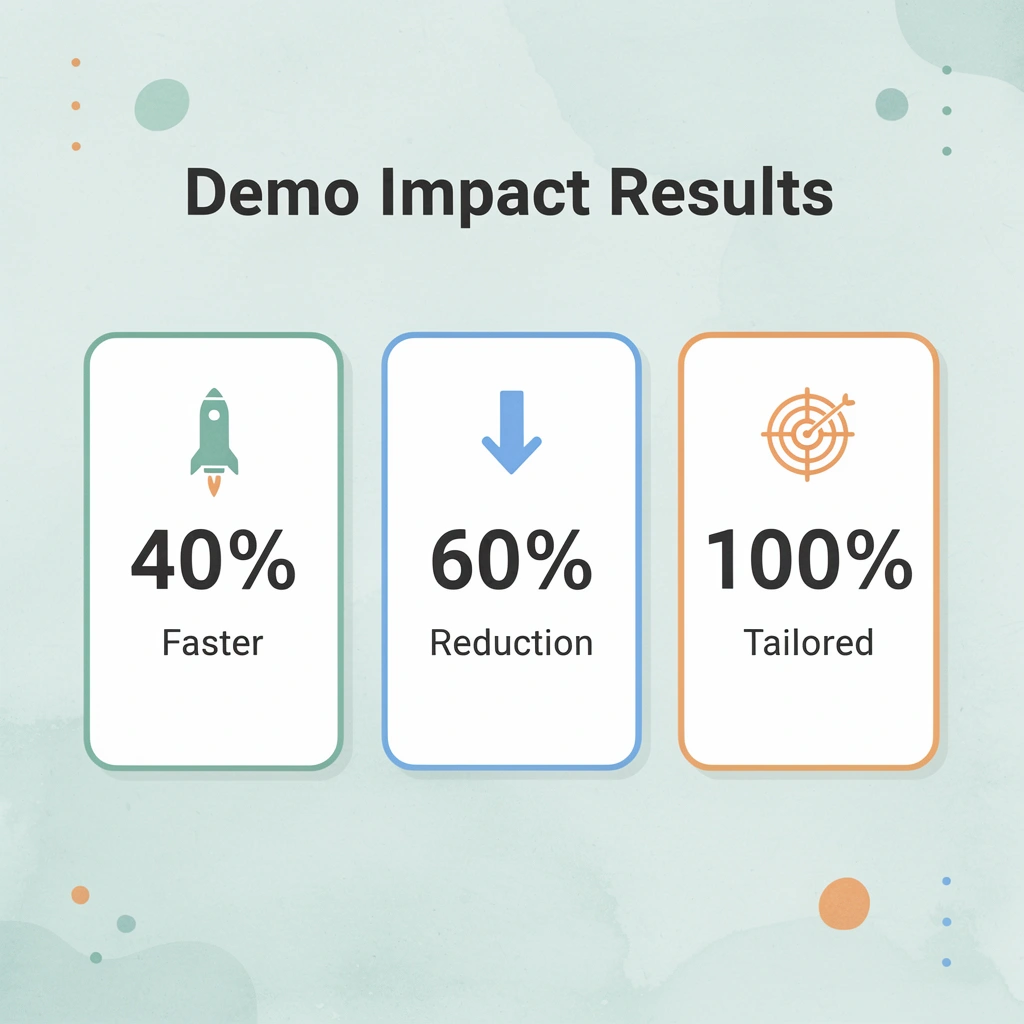
"Organizations using integrated HR systems see 40% faster onboarding processes and 60% reduction in administrative overhead." — Global HR Technology Report, 2024
💡 Tip: Come prepared with your biggest HR pain points to maximize the value of your demo session.
Demo Focus Areas
What You'll See
- System Integration
How fragmented tools connect seamlessly - Process Automation
Elimination of manual, repetitive tasks - Compliance Management
Multi-jurisdiction regulatory adaptation - Workforce Visibility
Real-time insights across all entities