Egypt Public Holidays: Employer Rules and Payroll Impact
Egypt Public Holidays: Employer Rules and Payroll Impact
Managing employees across regions requires an understanding of local employment regulations, particularly in Egypt, where public holidays significantly affect compliance and payroll accuracy. Companies with Egyptian staff must navigate mandatory leave entitlements for national celebrations, religious observances, and official rest days. Egypt's public holiday calendar affects payroll calculations and workforce planning in ways that differ from other jurisdictions.
Understanding these obligations helps employers ensure accurate compensation for worked and non-worked days while maintaining compliance with local labor standards. Rather than manually tracking Egyptian regulations or risking missed holiday payments, companies can streamline these processes through a comprehensive global HR system.
Summary
- Egypt recognizes 13 official public holidays annually, but the real challenge isn't remembering dates. Many public holidays are announced, confirmed, or formally moved through government decrees, meaning employers cannot rely on a static annual calendar. Religious holidays tied to the Islamic lunar calendar shift approximately 10 to 11 days earlier each Gregorian year, with final confirmation often announced days before the event. This creates a moving target for HR teams managing attendance, payroll, and workforce planning across fragmented systems.
- When employees work on an official public holiday in Egypt, the labor law requires employers to provide both standard holiday pay and additional compensation for hours worked. This isn't optional, nor can you offset it with substitute leave unless specific conditions are met. Employers who treat holiday work as business as usual expose themselves to payroll errors and compliance gaps that surface during labor inspections or when employees query their pay statements.
- Ninety percent of organizations experienced at least one operational risk event in 2025, often rooted in disconnected processes that create compliance exposure. Public holidays become fault lines where errors multiply when attendance, payroll, scheduling, and workforce management operate independently. By the time miscalculations surface (usually after employees notice incorrect pay), the correction process involves manual reviews, payroll adjustments, and backtracking through multiple systems to identify where the breakdown occurred.
- Forty-seven percent of companies struggle with data quality issues, and holiday management sits at the intersection of multiple data streams that must stay synchronized. Holiday schedules may be updated in one system while attendance tracking remains unchanged, resulting in employees being recorded as present on a holiday or absent on a rescheduled holiday. Payroll teams then process compensation based on inaccurate attendance data, creating payroll corrections and employee complaints later.
- A compliant public holiday management system runs validation checks before payroll closes, flagging holiday pay discrepancies, unapproved holiday work, scheduling conflicts, and missing attendance updates. Instead of discovering errors through employee complaints or labor audits, HR teams resolve issues before it's too late to correct them. This requires centralized data because when attendance lives in one tool, payroll in another, and scheduling in a third, no single system can verify that everything aligns.
- Egypt's labor laws changed significantly as of September 1, 2024, introducing new compliance requirements that make calendar accuracy critical for organizations operating across multiple jurisdictions. Cercli's global HR system addresses this by consolidating attendance, payroll, and scheduling into a unified platform that automatically updates when governments announce date changes, eliminating the manual coordination that turns simple calendar adjustments into compliance risks.
Most Companies Misunderstand Public Holidays in Egypt
Most companies treat public holidays in Egypt as calendar events during which employees take the day off, and operations pause briefly. This overlooks how public holidays function under Egyptian Labor Law No. 12 of 2003 and Egyptian Labor Law No. 14 of 2025.

⚠️ Warning: Many employers assume that public holidays are just paid days off, but Egyptian labor law has specific requirements for holiday pay calculations, mandatory compensation for work performed on holidays, and strict penalties for non-compliance.
"Understanding the legal framework around public holidays is critical for companies operating in Egypt, as violations can result in significant financial penalties and labor disputes." — Egyptian Ministry of Manpower Guidelines, 2025

🔑 Takeaway: Public holidays in Egypt aren't merely operational pauses—they're legally protected periods with specific compensation rules, overtime calculations, and employee rights that companies must understand to avoid costly legal issues and maintain compliant payroll practices.
The Real Complexity Behind the Calendar
Public holidays create legal obligations that affect payroll, attendance, scheduling, and employee benefits. According to Wikipedia, Egypt has 13 official public holidays annually. The challenge is that holiday administration isn't fixed at the start of the year; many holidays are announced, confirmed, or moved by government decrees, preventing employers from relying on a fixed calendar.
Where Systems Break Down
When this does not happen, holiday-pay calculations may be applied incorrectly, employees may not receive legally required compensation, and attendance records may become inconsistent across departments or locations, creating confusion and dissatisfaction.
How do operational challenges affect larger organizations?
For larger organizations, the challenge lies in coordination: regional offices may follow different holiday schedules, payroll teams may use one calendar while operations teams use another, and multi-country organizations may apply global assumptions that ignore Egyptian holiday rules or government-announced changes.
Solutions like Cercli address this by centralizing holiday tracking across jurisdictions, automatically updating when governments announce changes, and ensuring payroll calculations reflect accurate compensation for worked and non-worked days.
The Consequences of Getting It Wrong
Public holidays are employment entitlements under Egyptian labor law with direct payroll and compliance implications, not merely HR administration tasks. Companies face payroll disputes over holiday compensation, scheduling disruptions, employee complaints about leave entitlements, compliance exposure during labor inspections, and increased payroll correction costs.
The challenge isn't knowing when a holiday occurs—it's ensuring payroll, attendance, scheduling, and employee entitlements remain aligned when it does. Understanding what the law requires is more specific than most teams realize.
Related Reading
- DIFC Labour Law
- Egypt Work Week
- Egypt Minimum Wage
- Employer Of Record Egypt
- Egypt Payroll
- Egypt Working Hours
- Social Insurance Egypt
- Notice Period In Egypt
- UAE Employment Law
- Egypt Income Tax Rates
What Egyptian Law Actually Says About Public Holidays
The Core Legal Framework
Article 48 of the Labor Law gives employees the right to paid time off for their religious holidays, covering all officially recognized public holidays in Egypt. This is a legal requirement, not something a company chooses to offer. Employers must pay employees correctly, maintain accurate records, plan their workforce accordingly, and comply with government holiday announcements that can change with little warning.
Religious Holidays Shift Every Year
Egypt observes both fixed-date national holidays and movable religious holidays tied to the Islamic lunar calendar. Eid al-Fitr, Eid al-Adha, the Islamic New Year, and the Prophet's Birthday shift approximately 10 to 11 days earlier each Gregorian year. Final confirmation often depends on official religious determinations announced days before the event. Payroll teams that lock in schedules months in advance without monitoring government announcements risk miscalculating holiday pay, incorrectly marking attendance, or applying incorrect compensation treatment when employees work during those periods.
Working on a Public Holiday Triggers Additional Compensation
When an employee works on an official public holiday, Egyptian labor law requires the employer to provide both standard holiday pay and extra compensation for hours worked. This cannot be offset with time off unless specific conditions are met. The exact treatment depends on employment category, contract terms, and applicable sector regulations, but the baseline principle remains: working a public holiday costs more than a normal working day. Employers who treat it as business as usual risk payroll errors, employee disputes, and compliance gaps during labor inspections or pay statement queries.
Government Decrees Override Static Calendars
Unlike places with fixed holiday schedules, Egypt issues yearly announcements that confirm, adjust, or extend public holidays. Authorities may move holidays to create long weekends, declare bridge days, or adjust dates for administrative reasons. Teams using fragmented systems (spreadsheets for holidays, separate attendance tools, and standalone payroll software) often miss these updates or fail to share changes across all platforms, resulting in inconsistent records, incorrect pay calculations, and conflicting employee communications about work expectations.
Attendance and Payroll Must Reflect Official Status
Public holidays require every system that touches employee records—attendance, payroll, scheduling—to display the correct legal status. If your attendance system marks a public holiday as absence, payroll calculates it as unpaid leave, or scheduling treats it as a workday, you've created a compliance problem. These misalignments worsen with multi-country teams following different holiday calendars. Platforms like a global HR system unify attendance, payroll, and scheduling into one system that automatically updates when official holidays are confirmed, eliminating manual coordination.
Most organizations treat compliance as a calendar exercise when it is a systems problem.
Where Companies Get It Wrong
Most public-holiday compliance issues in Egypt stem from underestimating how holidays connect to payroll, attendance tracking, workforce scheduling, and employee entitlements under Egyptian Labor Law. Companies typically know about the holidays themselves, but fail to recognise how critical these connections are.

🎯 Key Point: Holiday compliance isn't just about knowing dates—it's about understanding how each holiday impacts your entire HR system and payroll calculations.
"The majority of labor law violations in Egypt stem from misunderstanding the interconnected nature of holiday entitlements with core HR processes." — Egyptian Ministry of Manpower Guidelines

⚠️ Warning: Companies that treat public holidays as isolated events rather than integrated compliance requirements face the highest risk of costly violations and employee disputes.
Miscalculating Holiday Compensation
The first and most common mistake is miscalculating holiday compensation. When employees work on official public holidays, employers must provide appropriate compensation in accordance with labor law requirements and company policy. Holiday work is often recorded incorrectly, overtime calculations are applied inconsistently, or payroll teams receive incomplete attendance data, turning a scheduling decision into a payroll dispute.
Using Outdated Holiday Calendars
Another major issue is the use of outdated holiday calendars. Many organizations create an annual calendar at the beginning of the year without accounting for changes. In Egypt, the government may formally confirm or move certain holidays through official decrees, particularly when creating long weekends for administrative purposes. When HR, operations, and payroll teams rely on outdated schedules, discrepancies emerge between employee attendance records and payroll calculations.
Misaligning Payroll and Attendance Records
Companies often face problems when payroll and attendance records don't align. This occurs when holiday schedules update in one system while attendance tracking remains unchanged, resulting in employees being recorded as present on holidays, absent on moved holidays, or scheduled incorrectly. According to GreenBook's 2025 research on data quality management, 47% of companies struggle with data quality issues, and holiday management sits at the intersection of multiple data streams requiring synchronization. Payroll teams then process compensation based on inaccurate attendance data, triggering corrections and employee complaints.
How do inconsistent policies create compliance risks?
Another common problem is inconsistent policy application across departments or locations. Different managers interpret holiday-work rules differently: one team offers substitute leave while another applies additional pay. Regional offices follow different scheduling practices. Without centralized controls, employees doing similar work receive different treatment, increasing compliance risk and dissatisfaction. Our unified HR platform integrates attendance, payroll, and scheduling into one system that automatically updates when official holidays are confirmed, reducing manual coordination.
What happens when holiday changes aren't synchronized?
Here is a typical example: a company processes payroll using a static annual holiday calendar. Months later, the government moved a public holiday to a weekday. HR updates communications, but attendance systems and payroll workflows remain unadjusted. Employees are paid incorrectly, attendance records become inconsistent, and payroll teams issue corrections after complaints emerge. The pattern is clear: companies treat public holidays as scheduling events, while the law treats them as employee entitlements with direct payroll implications.
That operational gap is where most compliance problems begin.
The Hidden Operational Risk
The operational risk isn't the holiday itself—it's fragmentation between systems that should communicate but don't. When attendance, payroll, scheduling, and workforce management operate independently, public holidays become fault lines where errors multiply until they surface as payroll disputes, compliance gaps, or employee grievances.

This fragmentation is widespread. According to Pirani's operational risk research, 90% of organizations experienced at least one operational risk event in 2025, rooted in disconnected processes. In multi-country environments, these disconnects become dangerous because Egyptian labor law requirements get filtered through global systems not designed for them.
"90% of organizations experienced at least one operational risk event in 2025, often rooted in disconnected processes." — Pirani Risk Research, 2025
🚨 Warning: System fragmentation during public holidays creates compliance risks that surface as costly disputes.
🔑 Takeaway: Operational risk lies in disconnected HR systems that cannot handle country-specific holiday requirements seamlessly.
How do attendance system errors affect payroll processing?
Payroll teams process compensation based on attendance data. If the attendance system fails to correctly recognize a public holiday, employees are marked absent or scheduled for standard shifts. Payroll then calculates wages using flawed inputs. Corrections require manual reviews, payroll adjustments, and backtracking through multiple systems to identify the breakdown.
What happens when holiday work compensation goes wrong?
Holiday work creates another failure point. Managers approve overtime hours in one system, attendance records live in another, and payroll applies compensation rules in a third. If the attendance system doesn't flag the day as a public holiday, payroll won't apply the correct compensation multiplier. If managers approve hours without specifying holiday work, payroll teams may process them as standard overtime.
What challenges do global platforms create for Egyptian holiday management?
Large organizations often centralize workforce management using platforms designed for bigger markets. These systems rely on default holiday logic that fails to account for shifts in Egypt's lunar calendar or government-issued decree adjustments.
Regional HR teams then work around the system by maintaining separate spreadsheets or manually overriding schedules, creating two versions of the truth: what the system shows and what applies under Egyptian law.
How do system discrepancies create compliance risks?
When audits or labor reviews occur, those differences become compliance risks. Payroll records must show that employees received the correct holiday benefits and pay.
If attendance data, payroll calculations, and workforce schedules don't align, proving compliance becomes difficult, even when the organization intended to comply with the law.
What solutions eliminate manual coordination issues?
Platforms like a global HR system solve this problem by consolidating payroll, attendance, and scheduling into a single system that automatically applies country-specific labor rules.
When Egypt's government announces a holiday change, the update moves through attendance tracking, payroll calculations, and workforce planning simultaneously, eliminating manual work and version-control problems that create compliance gaps.
The real cost isn't payroll corrections or employee complaints. It's the operational drag of managing fragmented systems, compliance exposure when records don't match, and trust erosion when employees notice inconsistent holiday entitlements.
What a Compliant Public Holiday Management System Looks Like
A compliant public holiday management system automatically aligns attendance tracking, payroll processing, leave records, and employee scheduling with official holiday regulations. When a government decree moves Eid al-Fitr by two days, every connected system updates automatically rather than through manual spreadsheet edits and email chains.

🎯 Key Point: Real-time compliance means your HR systems respond to official holiday changes within minutes, not days of manual corrections.
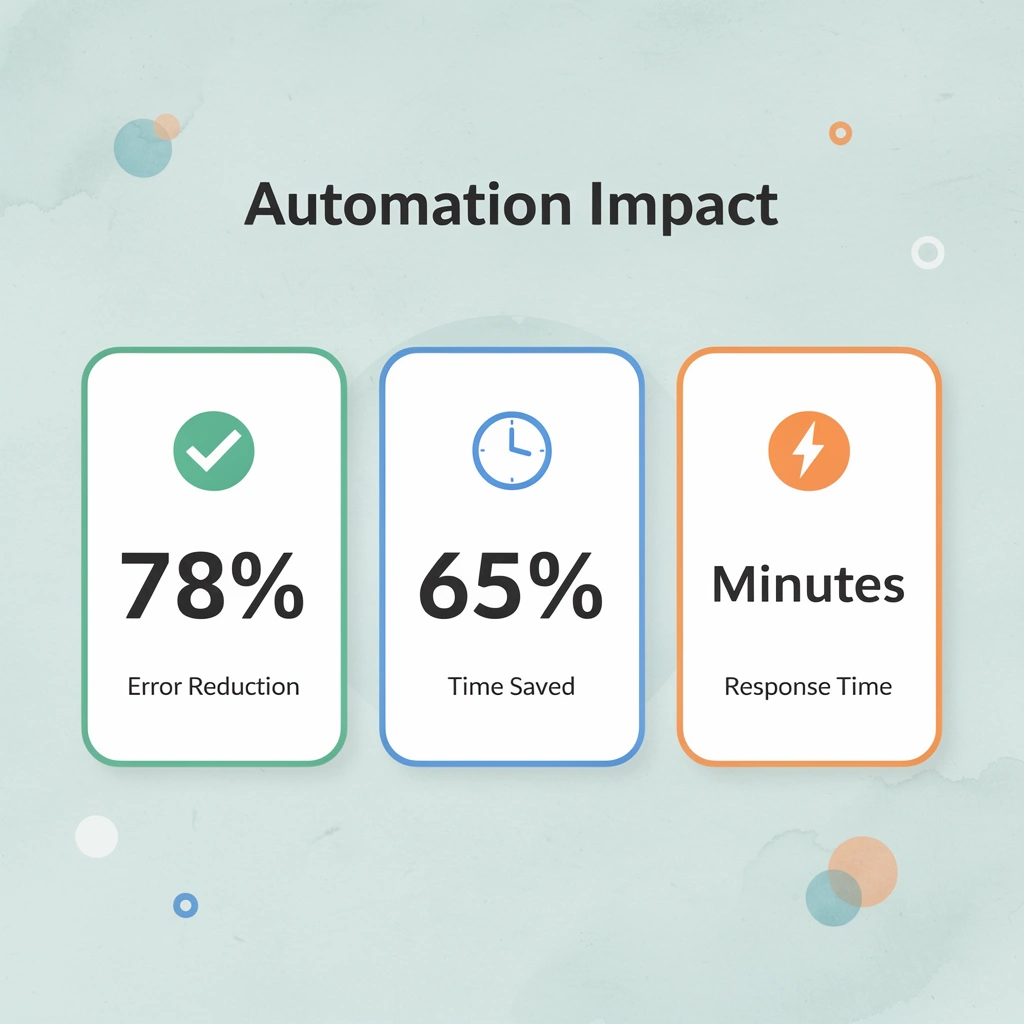
"Automated holiday management systems reduce compliance errors by 78% and cut administrative processing time by 65% compared to manual tracking methods." — HR Technology Research Institute, 2024
Manual Process
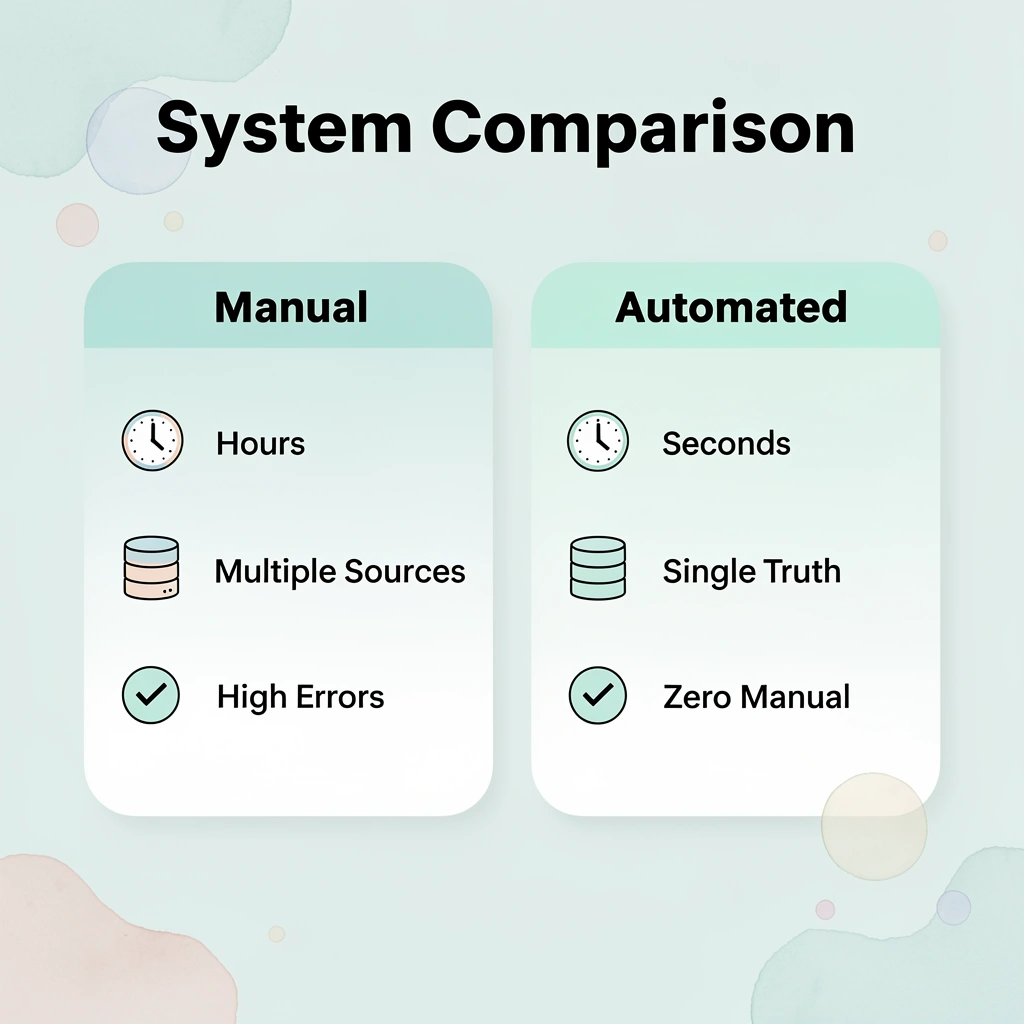
- Hours of spreadsheet updates
- Multiple departments affected
- High error risk
- Delayed payroll corrections
Compliant System
- Seconds of automatic sync
- Single source of truth
- Zero manual intervention
- Real-time adjustments
⚠️ Warning: Without integrated holiday management, a single government announcement can trigger weeks of payroll corrections and compliance violations across multiple departments.
Official Holiday Calendar Management
The foundation is a single, authoritative holiday schedule that updates when Egypt's government announces changes. Most teams maintain static calendars at the start of the year, then scramble when the Ministry of Manpower issues decrees adjusting religious holidays. A compliant setup monitors official announcements and spreads changes across every system that relies on that data: payroll, scheduling, and leave management should reference the same source, not three different versions maintained by different departments.
Automated Holiday-Pay Calculations
When an employee works on Revolution Day or Sinai Liberation Day, payroll should automatically apply the correct compensation treatment. The system must recognize the holiday, confirm the employee worked, and apply the statutory multiplier without manual intervention. Platforms like a global HR system connect attendance records directly to payroll rules, so holiday work triggers the appropriate compensation without HR teams having to build formulas in spreadsheets or chase timesheets across departments.
Attendance and Leave Integration
Public holidays must appear in scheduling and leave systems immediately. If an employee is marked absent on a day that becomes a public holiday after a government announcement, that absence record should update automatically. If someone requests time off during a week when a holiday is moved, their leave balance should adjust accordingly. Disconnected systems create false absences, incorrect leave deductions, and scheduling problems that often surface only when employees review their pay slips.
How do validation checks prevent holiday pay errors?
A compliant system runs validation checks before payroll closes, flagging holiday-pay discrepancies, unapproved holiday work, scheduling conflicts, and missing attendance updates. HR teams resolve issues while there's still time to correct them, rather than discovering errors through employee complaints or labor audits.
This requires centralized data. When attendance lives in one tool, payroll in another, and scheduling in a third, no single system can validate alignment.
What happens when holiday management systems stay connected?
A system that follows rules for managing public holidays eliminates the extra work that turns a simple holiday into a multi-day project. It keeps holiday schedules, attendance, payroll, and leave management connected so that when Egypt's government moves a holiday, your systems update accordingly.
Most organizations believe they've solved this once they set up the workflow. Then they try to scale it across multiple countries, and the real challenge begins.
Related Reading
- UAE Domestic Worker Law
- Probation Period In Egypt
- Bahrain Working Hours
- Maternity Leave In Bahrain
- Bahrain Payroll
- Bahrain Personal Income Tax
- Bahrain Minimum Wage
- Bahrain Work Visa
- Oman Payroll
- Oman Income Tax
How Cercli Helps You Stay Compliant With Public Holiday Rules in Egypt
Following Egypt's public holiday rules requires systems that remain accurate when calendars change, payroll is calculated, and worker records are maintained automatically. Cercli connects these workflows so holiday changes propagate through attendance, leave, and compensation systems automatically, eliminating the problems that turn government announcements into multi-week projects.

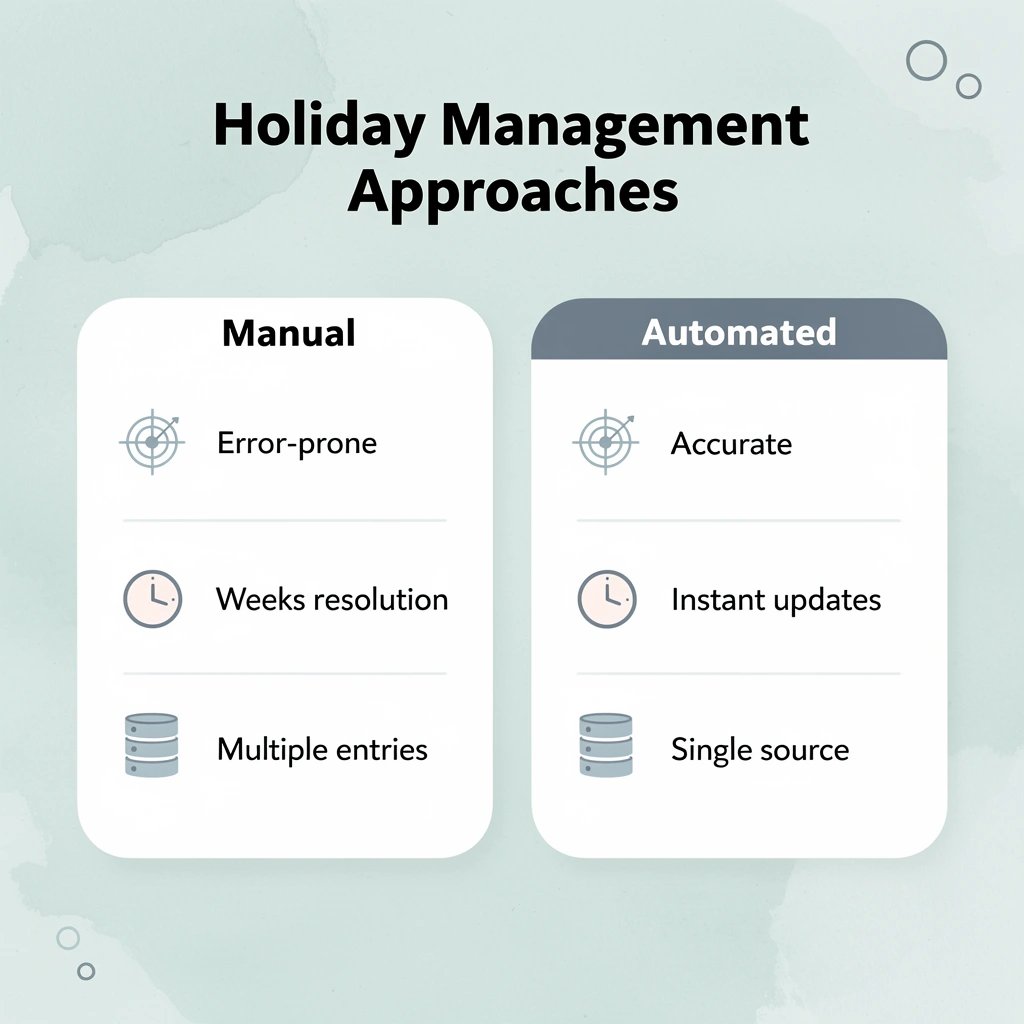
🎯 Key Point: Manual holiday management creates cascading compliance issues that can take weeks to resolve across multiple HR systems.
"Automated holiday management systems reduce compliance errors by connecting attendance, payroll, and leave management workflows seamlessly." — HR Technology Research, 2024
💡 Tip: Choose an HR platform that automatically updates all connected systems when new holiday announcements are made, eliminating the need for manual data entry across multiple workflows.
How does centralized holiday calendar management work?
Cercli maintains a single holiday calendar that updates when Egypt's government announces changes. When the Ministry of Manpower shifts Eid al-Fitr dates or moves Revolution Day to create a long weekend, that update propagates across payroll, attendance, and scheduling systems simultaneously.
Why does calendar accuracy matter for compliance?
This centralization prevents the most common compliance failure: different teams working from different holiday schedules. Payroll processes one set of dates while attendance systems track another, creating discrepancies that only surface when employees notice incorrect pay. According to Fisher Phillips, Egypt's labor laws changed significantly as of September 1, 2024, introducing new compliance requirements that make calendar accuracy critical.
Automated attendance and holiday-work tracking
The platform tracks which employees worked on public holidays and automatically applies the correct compensation multipliers. When an employee clocks in on Eid al-Adha, Cercli records that attendance, flags it as holiday work, and calculates both standard holiday pay and additional compensation. Payroll teams receive accurate data rather than spreadsheets that require manual interpretation.
Attendance records connect directly to payroll calculations, eliminating reconciliation work that causes delays. Employees working on Sinai Liberation Day or the Prophet's Birthday receive correct compensation on schedule, rather than after disputes prompt manual review.
Multi-country compliance without fragmentation
Organizations operating across Egypt and other markets can manage local compliance requirements without maintaining separate systems for each country. Cercli applies Egypt-specific holiday rules, leave entitlements, and payroll calculations while keeping regional operations visible on a single platform. HR teams managing workforces in Cairo, Dubai, and Riyadh avoid toggling between disconnected tools or reconciling data across incompatible formats.
How do fragmented systems create compliance risks?
When systems are broken into pieces, compliance risk grows exponentially. Our global HR system handles Egyptian labor law, GCC regulations, and international employment standards, reducing the operational overhead that would otherwise make multi-country workforce management unsustainable. Compliance becomes a configuration issue, not a coordination problem.
What matters for successful implementation?
But knowing how the system works matters only if your team can implement it without disrupting current operations.
Related Reading
- Employer of Record Bahrain
- Oman Minimum Wage
- Maternity Leave In Oman
- Maternity Leave in Bahrain
- Uae Work Permit
- Qatar Personal Income Tax Rate
- Uae Work Week
- Employer Of Record Uae
- Uae Minimum Wage
- End Of Service Benefits Bahrain
- End Of Service Benefits In Oman
Book a Demo to Speak with Our Team about Our Global HR System
If your organization works in Egypt, review how public holidays are tracked across payroll, attendance, and workforce systems. Problems occur when systems don't communicate, government decree changes require manual calendar updates, or employees working holidays cause incorrect compensation calculations. These compliance risks increase with headcount.

🎯 Key Point: Holiday management complexity scales exponentially with workforce size - what works for 10 employees becomes unsustainable for 100+.
"Multi-country workforce management becomes unsustainable when holiday compliance requires manual coordination across disconnected systems." — Workforce Management Best Practices, 2024
Cercli offers a first session that maps your holiday management workflow, identifies payroll and scheduling disconnects, and ensures public holiday compliance scales with your workforce. Our unified system eliminates the coordination overhead that makes multi-country workforce management unsustainable. Book a demo to begin with what you're managing today.
💡 Tip: Start your demo session by documenting your current holiday tracking process - this helps identify the biggest pain points first.