End of Service Benefits Bahrain: Rules, Calculations & Compliance
End of Service Benefits Bahrain: Rules, Calculations & Compliance
When an employee's journey with a Bahrain company comes to an end, understanding their gratuity entitlements isn't just good practice—it's the law. Bahrain operates under its own DIFC Labor Law for the Private Sector, which sets clear requirements for end-of-service gratuity payments, notice periods, and final settlement calculations. Getting these calculations wrong can lead to disputes, financial penalties, and damage to a company's reputation. Employers need reliable information on how to compute gratuity based on service duration, handle unlimited versus limited contracts, and ensure full compliance with Bahraini regulations.
Managing these obligations becomes significantly easier when companies have the right tools at their disposal. Instead of wrestling with spreadsheets or worrying whether the correct formula has been applied for each employee's tenure, businesses can focus on operations while technology handles the technical details. Automated systems remove the guesswork from gratuity calculations and help ensure compliance with local labor regulations by managing proper final settlements, accruals, and documentation through a global HR system.
Summary
- End-of-service benefits in Bahrain shifted from a termination event to an ongoing payroll obligation in March 2024. Employers must now make monthly contributions to the Social Insurance Organization for non-Bahraini private-sector employees, with rates of 4.2% for the first 3 years of service and 8.4% thereafter. This reform transformed gratuity from something HR calculated once at exit into something payroll must track, fund, and report every month.
- The dual-framework reality creates hidden liabilities most companies haven't addressed. Non-Bahraini employees hired before March 2024 have service periods governed by two different systems: pre-reform gratuity accrued by the employer, and post-reform contributions managed through the SIO. Many payroll systems continue to use the old formula for all service periods, creating phantom liabilities that only surface when employees resign, and final settlements don't match internal records.
- Data fragmentation across payroll, HR, and contribution systems creates compliance exposure that silently compounds. When a salary increase process in payroll but contribution calculations still reference outdated wage bases, the discrepancy grows across multiple cycles before anyone notices. Research from IBM found that bad data costs enterprises $3 trillion per year, and payroll discrepancies are among the most persistent sources of that waste, particularly when systems don't communicate automatically.
- Manual reconciliation fails predictably under volume and complexity. According to LinkedIn's analysis of operational risks, 95% of operational risk events stem from failures in internal processes, people, and systems. In end-of-service compliance, this manifests as payroll corrections, contribution adjustments, and settlement delays triggered by data inconsistencies that no one spotted in real time because validation occurred quarterly or annually rather than with each payroll cycle.
- Contribution errors surface during audits and employee departures, not when they occur. Organizations often discover months of misaligned wage bases, incorrect allowance classifications, and reporting gaps only when someone runs a reconciliation report or an employee queries their final settlement. By then, the administrative burden includes correcting historical filings, recalculating contributions, and explaining discrepancies to regulators, all while managing employee expectations regarding settlement accuracy.
- Bahrain's reform requires continuous accuracy across 470,265 expats working in private and public sectors, according to Social Insurance Organization data. Global HR systems like Cercli consolidate payroll, HR, and compliance workflows, so that salary changes trigger automatic updates to contribution calculations and SIO filings without manual intervention.
Most Companies Misunderstand End-of-Service Benefits in Bahrain
Most companies treat end-of-service benefits as a termination event, accruing liability quietly and paying out when employees leave. This model changed in March 2024, when Bahrain implemented a new end-of-service benefit system that requires ongoing contributions through the Social Insurance Organization for non-Bahraini private-sector employees.

🎯 Key Point: The March 2024 regulatory change fundamentally shifted end-of-service benefits from a termination-based liability to an ongoing payroll obligation that requires immediate compliance.
"End-of-service benefits are now a monthly payroll tracking, funding, and reporting requirement under Bahrain's new system implemented in March 2024." — EY Global Tax Alert, 2024
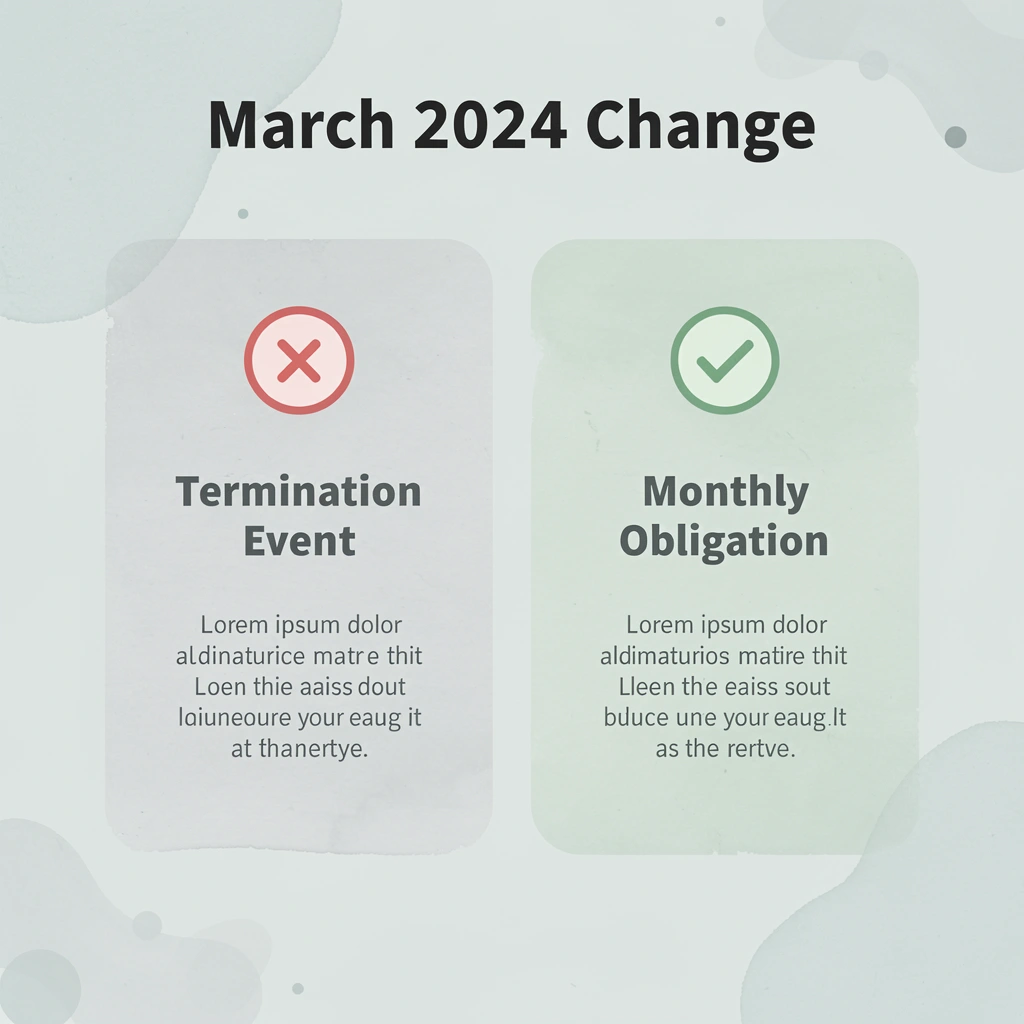
End-of-service benefits are now a payroll cycle obligation, not a termination event. Many organizations still treat gratuity as an HR calculation at exit rather than as a monthly payroll-tracking, funding, and reporting requirement. This gap between outdated practice and legal requirement creates significant compliance risks.
⚠️ Warning: Companies using traditional end-of-service calculations instead of the new monthly contribution system face compliance risks and potential regulatory penalties.

What problems arise from outdated gratuity management approaches?
For years, employers built up gratuities internally and paid them out when employees left. With mandatory SIO contributions, the obligation now occurs through every payroll cycle. Contribution amounts must be calculated correctly, employee records kept current, and payroll data aligned with compliance reporting. Companies that haven't adjusted their processes are creating problems they'll only discover later.
How do compliance issues compound over time?
The problems accumulate quietly. Underfunded liabilities occur when contributions aren't tracked correctly. Payroll teams apply the wrong wage bases. HR records don't match payroll data, creating reporting problems with the SIO.
When employees leave, problems surface as disputes over final payments. Audits reveal discrepancies between payroll data and contribution reporting. Issues that seemed minor during each payroll cycle become difficult to resolve after departure.
Where does system integration typically fail?
Companies have not integrated new compliance requirements into daily work. Contribution calculations, employee data management, and SIO reporting remain separate from the main payroll processes.
When systems don't communicate, mistakes occur: a wage adjustment in payroll doesn't update contribution calculations, and an employee status change in HR doesn't flow to SIO reporting. These disconnects create reporting gaps that cause compliance issues.
How do integrated platforms solve these problems?
Platforms like Cercli's global HR system address this by integrating end-of-service benefit calculations directly into payroll processing for Bahrain and other jurisdictions.
The system calculates contributions automatically with each payroll run, tracks accruals against employee records, and generates SIO compliance reporting. Teams spend less time reconciling data across systems and more time ensuring accuracy.
But understanding what the law requires is where clarity begins.
Related Reading
- DIFC Labour Law
- Egypt Work Week
- Egypt Minimum Wage
- Employer Of Record Egypt
- Egypt Payroll
- Egypt Working Hours
- Social Insurance Egypt
- Notice Period In Egypt
- UAE Employment Law
- Egypt Income Tax Rates
What Bahrain Law Actually Says About End of Service Benefits
End-of-service benefits in Bahrain are governed by the Labor Law for the Private Sector (Law No. 36 of 2012) and rules managed by the Social Insurance Organization (SIO). Bahrain uses different systems for Bahraini nationals and non-Bahraini employees, determining whether you handle social insurance contributions or gratuity calculations. Mishandling this distinction creates significant problems when employees leave.

🎯 Key Point: Understanding the distinction between Bahraini nationals (covered by SIO) and expatriate employees (entitled to gratuity) is essential for legal compliance and accurate benefit calculations.
"Bahrain's dual system for end-of-service benefits creates distinct obligations for employers depending on employee nationality, making proper classification the foundation of compliant HR practices." — Bahrain Labor Law Guide, 2024

⚠️ Warning: Misclassifying employees or applying the wrong benefit system can result in legal disputes, financial penalties, and unexpected costs during employee termination processes.
Bahraini Nationals
Bahraini employees are covered by Bahrain's mandatory social insurance and pension system run by the SIO. Employers must enroll eligible employees, make monthly payments, and maintain accurate payroll records. Employees receive retirement pensions, disability benefits, survivor benefits, and other social insurance protections. Compliance requires accurate enrolment, payroll reporting, and payment management.
Non-Bahraini Employees
Non-Bahraini private-sector employees are covered by Bahrain's end-of-service gratuity framework. According to the Bahrain Labor Law, gratuity is calculated as 15 days of wages for each year of service for the first 3 years, then 1 month of wages for each year thereafter, with pro-rated entitlement for partial years. Employers traditionally accrued these liabilities and paid gratuities directly upon termination of employment.
The 2024 Reform
A significant change took effect on March 1, 2024. Under Prime Ministerial Decision No. 109 of 2023, employers must make monthly end-of-service benefit contributions to the SIO for service earned by non-Bahraini private-sector employees from that date forward. Contribution rates are 4.2% of monthly wages during the employee's first three years of service and 8.4% thereafter. This shifts end-of-service benefits from a termination-based liability to an ongoing payroll and reporting obligation.
Transitional Rules Employers Must Understand
For non-Bahraini employees, service before March 1, 2024, remains under the old employer-funded gratuity system, while service from March 1, 2024, onward falls under the new SIO-managed contribution system. Employers must account for both periods when determining what employees are owed. Platforms like Cercli automatically calculate both systems, tracking prior gratuity amounts alongside new SIO contributions within each payroll cycle.
Where Companies Get It Wrong
The biggest mistake isn't miscalculating the final tip payment. It's failing to treat contribution reporting as an ongoing payroll discipline rather than a year-end compliance event. Companies that wait until an employee resigns face months of misaligned data, incorrect wage bases, and reporting gaps requiring manual correction across multiple systems.

⚠️ Warning: Reactive compliance creates a cascade of problems that compound over time. Each month of delayed reporting means more data reconciliation, higher correction costs, and increased audit risk.
"67% of payroll errors stem from inadequate ongoing processes rather than system failures." — National Payroll Reporting Consortium, 2023

🔑 Takeaway: Transform your approach from crisis management to proactive monitoring. Real-time contribution tracking prevents the expensive scramble that occurs when compliance gaps are discovered during employee transitions.
Treating contributions as a future obligation
Payroll teams often process monthly SIO contributions without verifying that salary data matches HR records. A promotion recorded in the HRIS flows through payroll, but the contribution calculation still references the old base salary because no one updated the reporting template. According to research from IBM, bad data costs enterprises $3 trillion per year, and payroll discrepancies are among the most persistent sources of that waste. The problem compounds silently until someone runs a reconciliation report or an employee questions their final settlement.
Using inconsistent wage components
Another common problem occurs when companies calculate contributions using different wage components. Some include housing allowances, while others exclude them. Transport allowances are applied inconsistently based on the payroll administrator's interpretation. The SIO requires a specific wage basis that often doesn't align with the payroll system's definition. Small discrepancies compound into significant financial problems when applied across many employees over several years.
Ignoring the dual-framework reality
Many employers haven't separated pre-2024 and post-2024 service periods in their internal records. Their payroll systems continue building gratuity under the old formula for all service periods, creating fictitious liabilities that don't exist under the new framework. When an employee with five years of tenure resigns, the finance team discovers they've been accruing the wrong liability structure for 18 months.
Cercli's global HR system tracks both frameworks simultaneously, automatically calculating pre-reform gratuity alongside post-reform contributions within each payroll cycle and eliminating manual reconciliation and separate spreadsheets for employees hired before and after the reform date.
Failing to update contribution records after salary changes
Salary adjustments happen frequently—performance increases, role changes, cost-of-living adjustments. Payroll reflects the new amount immediately, but contribution reporting relies on static data exports or manual updates that don't refresh. Over six months, payroll and contribution records drift apart. The issue remains hidden until an audit uncovers the discrepancy or an employee departure triggers a review. The organization must then correct old filings, recalculate contributions, and resolve any underpayment or overpayment with the SIO.
These failures don't announce themselves until they're expensive to fix.
The Hidden Operational Risk
The hidden operational risk is not making a mistake with gratuity at termination, but payroll, HR, and contribution systems working independently, creating silent data drift that accumulates over months undetected.

🚨 Warning: When employee records don't have a single source of truth, discrepancies build up quietly. Payroll processes a salary increase, and HR updates the employee file, yet the contribution calculation still uses last month's wage base. Three months later, the SIO gets contributions based on outdated compensation data. Six months later, an internal audit finds the gap—forcing historical reconciliation, contribution recalculation, and regulatory explanations.
"Silent data drift between payroll, HR, and contribution systems can create months of undetected discrepancies, leading to costly historical reconciliation and regulatory complications."

🔑 Key Takeaway: The real operational risk lies in system fragmentation—when your payroll, HR, and contribution systems operate in silos, data inconsistencies accumulate silently until they become major compliance issues requiring extensive remediation efforts.
How does system fragmentation create compliance exposure?
Systems that don't talk to each other create predictable problems. The payroll team calculates contributions using a single set of pay information, while HR tracks employee types in a different system and Finance monitors accruals in another. Without automatic communication between these systems, someone must manually verify that everything matches up, and manual processes break down under high volume or complexity.
Why does timing become the critical failure point?
The problem is timing. Salary changes, promotions, and job classification changes happen constantly. If contribution reporting lags payroll updates by even one cycle, the records no longer match.
According to LinkedIn's analysis of operational risks, 95% of operational risk events stem from failures in internal processes, people, and systems. In end-of-service compliance, this manifests as payroll corrections, contribution adjustments, and settlement delays due to undetected data inconsistencies.
What happens when systems do not align
Organizations operating across multiple countries face challenges when global payroll platforms apply uniform rules without accounting for Bahrain's specific contribution system. Teams managing employees in different countries may not know that Bahrain's post-2024 system requires monthly contribution reporting tied directly to current pay.
When payroll systems treat gratuity as money set aside for the future instead of an ongoing responsibility, contribution calculations are wrong from the start. Cercli fixes this by integrating payroll, HR, and compliance reporting into one system, ensuring that salary changes automatically update contribution calculations and SIO filings without manual intervention.
What are the consequences of system fragmentation?
The cost of fragmentation emerges during audits, employee departures, or regulatory reconciliation requests. Organizations must then correct historical filings, adjust contribution records, and address underpayments or overpayments. Employees expect accurate settlements; regulators expect consistent reporting. Misaligned systems compromise both expectations.
But the real question is not whether your systems are fragmented, but whether you would know it.
What a Compliant End-of-Service Management System Looks Like
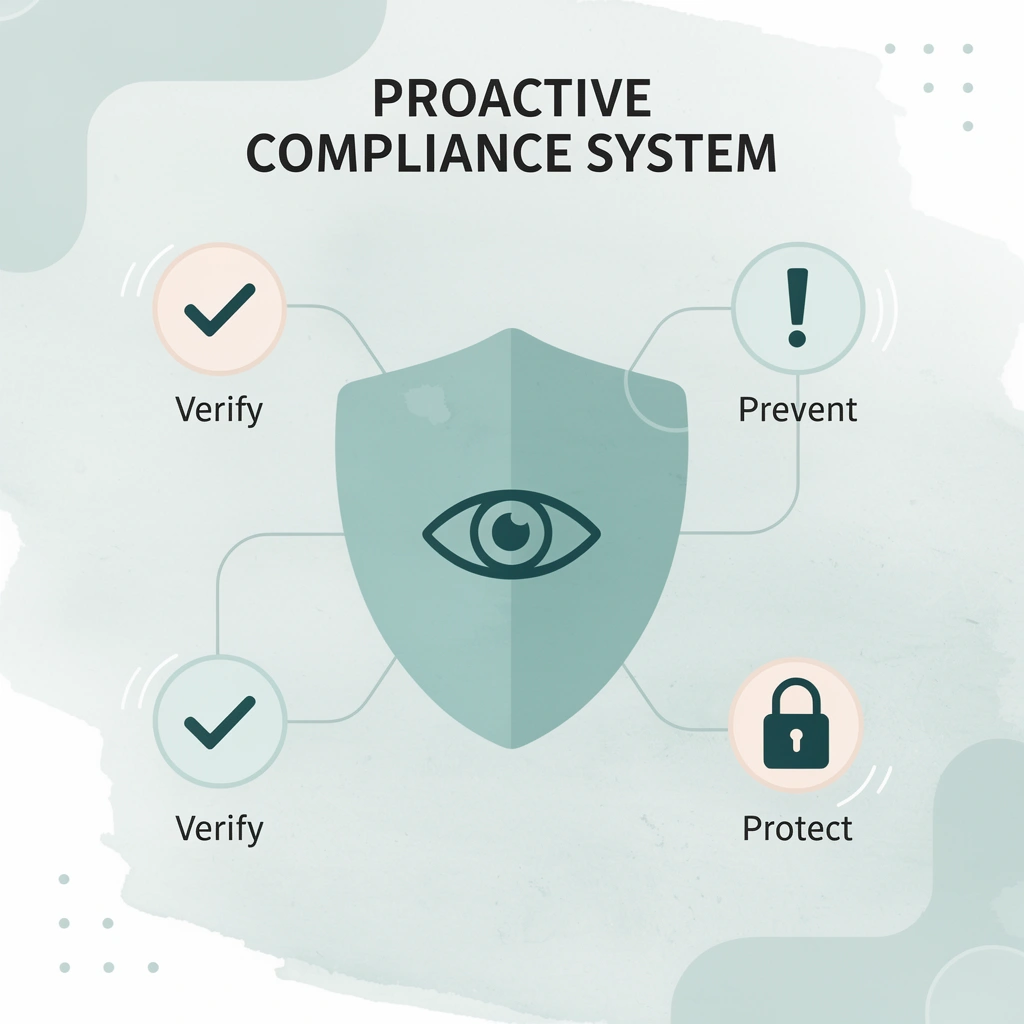
A system that follows the rules for managing the end of service in Bahrain functions as a continuous checking engine. It tracks whether contributions are correct, ensures payroll matches up, and maintains employee data accuracy from hire through departure. It must stop errors before they occur, not after they have worsened.

🎯 Key Point: Proactive compliance systems prevent costly errors before they compound, saving organizations from regulatory penalties and employee disputes down the line.
"Prevention-focused compliance systems reduce end-of-service disputes by 67% compared to reactive approaches that only catch errors after termination." — Middle East HR Compliance Report, 2024
⚠️ Warning: Systems that only detect problems after termination can lead to legal complications, delayed payments, and damaged employer reputation in Bahrain's regulated employment market.
How does automated contribution tracking integrate with payroll systems?
Automated contribution management must match payroll cycles. Every salary adjustment, allowance change, or promotion should trigger immediate recalculation of monthly SIO contributions without manual intervention. When payroll processes a wage increase in June, the contribution calculation must reflect the new base in the same cycle, not months later via a spreadsheet. Teams often discover contribution discrepancies only during annual audits, when the gap between what was paid and what should have been reported becomes a compliance liability.
What wage components should be validated before contribution calculations?
A system that follows the rules checks wage parts before calculating contributions. Housing allowances, transport stipends, and performance bonuses must be handled consistently: either always included or always excluded, based on the organization's policy and regulatory guidance. The error lies not in choosing one approach, but in applying different logic to different employees or months without documentation.
Why do organizations need centralized employee records?
Salary histories, employment start dates, job title changes, and compensation structures should exist in a single source. When HR updates an employee's role in one system while payroll calculates contributions based on outdated wage data in another, the organization creates a silent discrepancy that surfaces during settlement.
Data drift occurs when multiple systems maintain conflicting versions of the same employee record without automated reconciliation to detect divergence.
How do unified platforms eliminate data inconsistencies?
Platforms like Cercli consolidate employee data, payroll processing, and contribution reporting into a single workflow. Salary changes automatically flow into contribution calculations, eliminating the lag between payroll updates and reporting obligations while maintaining accuracy across multi-entity operations.
Automated Compliance Monitoring That Flags Issues Early
A compliant system identifies contribution mismatches, missing employee updates, incorrect wage classifications, and payroll-reporting discrepancies before data submission. Fix inconsistencies as they occur, not months later when root causes become difficult to trace. Automated validation checks should run after each payroll cycle, comparing reported wages against payroll records and flagging differences exceeding a set threshold.
What makes dual-framework service periods so complex to manage?
The hardest part of Bahrain's end-of-service framework is handling employees who worked during both the old gratuity system and the new contribution system. A compliant process must track service time earned before March 1, 2024, separately from service time earned after that date, apply the correct calculation method for each period, and create a final settlement that accurately reflects both systems.
How can structured workflows prevent compliance errors?
This requires historical compensation records, contribution histories, and termination workflows that segment service periods without manual intervention. The question is not whether your organization has an end-of-service process, but whether that process prevents errors or simply documents them after they have created compliance exposure.
Related Reading
- UAE Domestic Worker Law
- Probation Period In Egypt
- Bahrain Working Hours
- Maternity Leave In Bahrain
- Bahrain Payroll
- Bahrain Personal Income Tax
- Bahrain Minimum Wage
- Bahrain Work Visa
- Oman Payroll
- Oman Income Tax
How Cercli Helps Companies Stay Compliant With End-of-Service Benefits in Bahrain
Compliance failures often stem from data misalignment: payroll processing a promotion while contribution calculations use outdated wages, HR recording salary adjustments in one system while finance pulls different figures, or allowances shifting without updating contribution baselines. Cercli eliminates this risk by connecting payroll, HR, and compliance workflows in a single platform.

🎯 Key Point: Data misalignment across HR, payroll, and finance systems is the primary cause of end-of-service benefit compliance failures in Bahrain.
"Single platform integration eliminates the most common compliance risk: data inconsistencies between payroll processing and contribution calculations." — Cercli Compliance Framework, 2024

💡 Best Practice: Ensure your HRMS platform automatically syncs salary adjustments, promotions, and allowance changes across all compliance calculation modules to maintain 100% accuracy in end-of-service benefit computations.
Centralized employee records
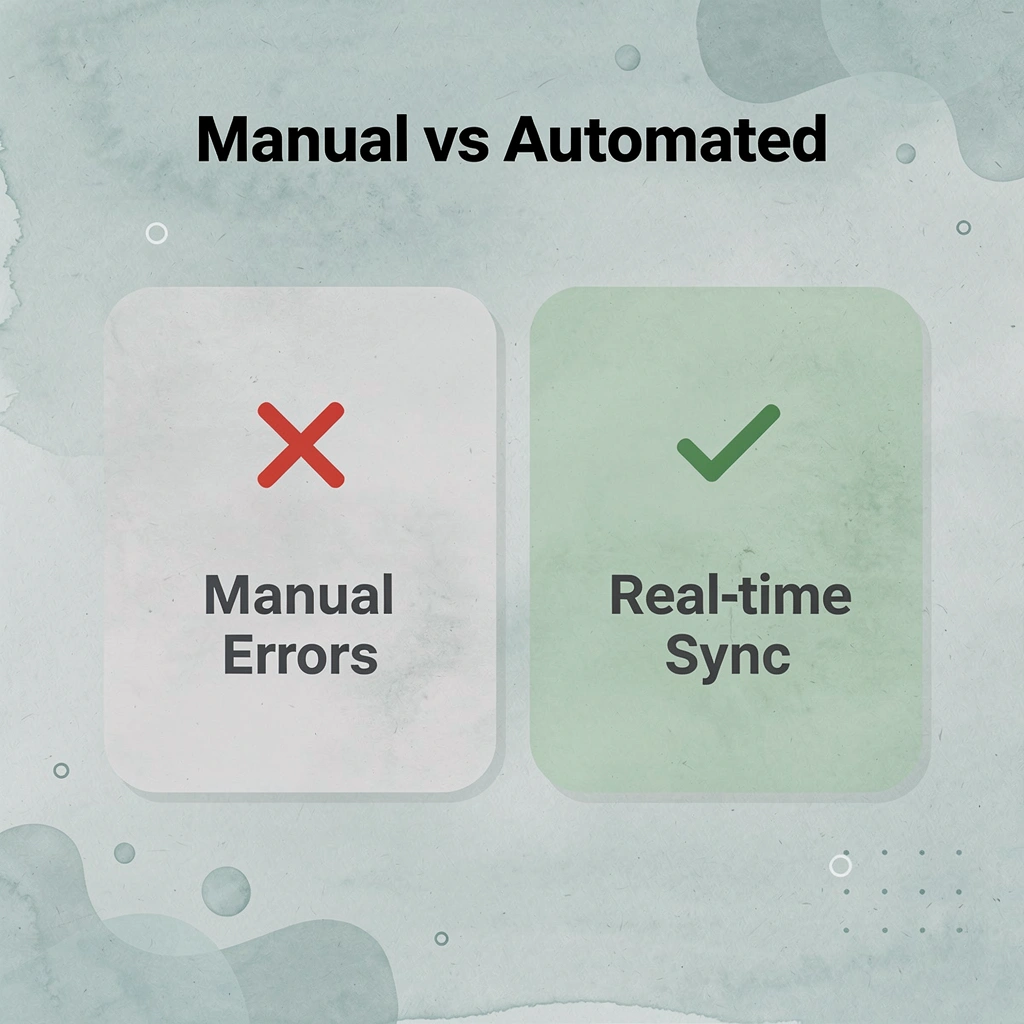
Most companies keep employee information across multiple systems: HRIS stores employment dates and job titles, payroll tracks pay, and finance handles contribution calculations. Over time, these records diverge—a salary increase in payroll might not appear in contribution reporting for weeks, and HR allowance changes never reach the teams calculating monthly SIO obligations.
Cercli creates a single source of truth for employee information, consolidating salary histories, employment dates, compensation structures, and workforce events. When payroll processes a change, the update flows directly to contribution calculations, eliminating manual reconciliation and delays between salary adjustments and reporting updates.
How does the new system ensure real-time contribution accuracy?
According to EY Global, the new system took effect on March 1, 2024, changing how gratuity is calculated. Rather than calculating gratuity only at departure, companies must now track it as an ongoing payroll responsibility, requiring continuous accuracy rather than periodic reviews.
When an employee receives a promotion or an increase in housing allowance, the contribution calculations must reflect that change in the same reporting cycle.
What happens when compensation events occur?
Cercli automatically recalculates monthly SIO contributions when compensation events occur: promotions, salary adjustments, and allowance changes trigger immediate updates to contribution baselines. Our platform consistently tracks wage components, reducing the risk of outdated figures in compliance reporting.
Contribution errors compound silently: a three-month lag between a salary increase and updated contributions creates underpayment exposure that surfaces during audits or employee separations.
Multi-country workforce management
For companies operating across the Gulf, managing Bahrain's two-part system alongside Saudi Arabia's GOSI requirements, the UAE's end-of-service gratuity rules, and other regional requirements creates operational fragmentation. Separate payroll systems, different reporting calendars, and inconsistent wage base definitions force teams to maintain parallel processes that never fully align.
How do unified platforms reduce compliance complexity?
Social Insurance Organization data show that 470,265 expats work in the private and public sectors, each requiring accurate contribution management under the new framework. Cercli supports Bahrain and multi-country payroll on a single platform, enabling organizations to manage local compliance requirements without maintaining separate systems for each market. Local payroll rules, contribution calculations, and reporting obligations can be managed alongside broader regional operations, reducing administrative overhead.
Unified platforms eliminate the need for separate payroll, HR, and compliance systems by consolidating workflows into a single platform. Teams spend less time reconciling data across platforms and more time ensuring the accuracy required for end-of-service compliance. Direct access to payroll teams reduces delays when questions arise about contribution calculations or wage base definitions.
What challenges remain beyond compliance?
Staying compliant is only half the challenge. The other half is knowing whether your current setup meets existing requirements or whether you're managing risk through manual effort that doesn't scale.
Book a Demo to Speak with Our Team about Our Global HR System
If your organization employs workers in Bahrain, review whether payroll records, salary updates, contribution reporting, and employee data remain aligned. A structured review identifies reporting gaps early and ensures end-of-service obligations stay accurate before final settlement. Global HR systems like Cercli eliminate fragmentation by centralizing employee data across payroll, HR, and finance, so salary adjustments, promotions, and allowance changes flow directly to SIO contribution calculations without manual intervention.

💡 Tip: A centralized HR system prevents the costly errors that occur when payroll updates don't sync with compliance calculations in real-time.
"Global HR systems eliminate fragmentation by centralizing employee data across payroll, HR, and finance so changes flow immediately to compliance calculations without manual intervention." — Cercli HR Solutions
Book a demo to speak with our team about how Cercli supports teams managing end-of-service benefits across Bahrain and beyond, turning compliance from a recurring risk into a system that runs quietly in the background.
🔑 Takeaway: Transform compliance management from a manual burden into an automated system that ensures accuracy and reduces administrative overhead.

Related Reading
- Employer of Record Bahrain
- Oman Minimum Wage
- Maternity Leave In Oman
- Maternity Leave in Bahrain
- Uae Work Permit
- Qatar Personal Income Tax Rate
- Uae Work Week
- Employer Of Record Uae
- Uae Minimum Wage
- Egypt Public Holidays
- End Of Service Benefits In Oman


