Bahrain Probation Period: Rules, Limits, and Compliance
Bahrain Probation Period: Rules, Limits, and Compliance
Starting a new hire in Bahrain comes with questions about trial periods, notice requirements, and what happens when things don't work out. While some employers refer to frameworks such as the DIFC Labor Law for guidance on employment structures, Bahrain operates under its own distinct labor regulations governing probationary employment. These rules cover duration limits, termination rights, and employee protections that employers must understand to onboard staff confidently while staying compliant with local law.
Managing probation periods effectively requires more than knowing the rules. Proper compliance demands automated contract generation with legally compliant probation clauses, accurate tracking of probation end dates, and thorough documentation throughout the evaluation period. Employers can streamline these administrative requirements and focus on assessing new hires through a comprehensive global HR system.
Table of Contents
- Most Companies Misunderstand Probation in Bahrain
- What Bahrain Law Actually Says About Probation
- Where Companies Get It Wrong
- The Hidden Operational Risk
- What a Compliant Probation System Looks Like
- How Cercli Helps You Stay Compliant With Probation in Bahrain
- Book a Demo to Speak with Our Team about Our Global HR System
Summary
- Bahrain's probation period is capped at three months for most roles under Labor Law for the Private Sector (Law No. 36 of 2012), with technical positions allowed six months only if specified upfront and approved by the Ministry of Labor. This limit is absolute, not a guideline. Companies cannot extend probation beyond the legal maximum, reset it when employees change roles, or treat it as a flexible management tool. When probation terms are violated or poorly documented, employees are legally treated as confirmed from day one, which completely changes termination rights and employer liability.
- Probationary employees in Bahrain have full employment rights, including written contracts, agreed-upon salary, applicable benefits, and social insurance contributions. Probation doesn't suspend employee protections or create a conditional employment status. It only changes how termination works during that limited window, allowing either party to exit with at least one day's written notice if the fit isn't right. Companies that withhold benefits or delay paperwork during probation create legal exposure because the law recognizes probationary hires as fully employed workers from their first day.
- Over 40% of HR professionals rely on manual or partially manual processes for managing employee lifecycle events, according to the CIPD People Profession Survey 2023. In Bahrain's legal framework, where probation status changes on a specific calendar date without warning or a grace period, manual tracking creates direct legal risk. When probation end dates aren't flagged automatically, companies continue treating confirmed employees as probationary and issue termination letters with one day's notice instead of the legally required minimum. These errors surface only during dismissal disputes, when the burden of proof has already shifted to the employer.
- Research from LinkedIn's operational risk analysis shows that 60% of operational risk events stem from process failures rather than policy gaps. A perfectly written probation clause becomes meaningless if no system flags the transition date or updates employee status across HR, payroll, and benefits simultaneously. When these systems operate separately, inconsistencies emerge, severance calculations run incorrectly, benefits get withheld when they should apply, and employees receive conflicting information from different departments before legal claims even begin.
- Companies managing teams across Bahrain, the UAE, and Saudi Arabia often apply the same probation practices across all three jurisdictions, creating compliance violations where jurisdictions differ. What works in Dubai, where probation can be extended with mutual consent, becomes a legal failure in Bahrain. Multi-country HR teams may not realize the distinction until a termination dispute surfaces, at which point the employee is legally confirmed and the company faces unexpected notice obligations or wrongful dismissal claims that consume weeks of internal audit effort.
- Cercli's global HR system addresses this by centralizing probation tracking across contract generation, employee lifecycle management, and termination workflows, automatically enforcing Bahrain's three-month maximum and flagging status changes across HR, payroll, and benefits without manual intervention.
Most Companies Misunderstand Probation in Bahrain
Most companies treat probation in Bahrain as a flexible management tool adjustable based on performance or business needs. However, probation is a legal construct with fixed boundaries defined under Labor Law for the Private Sector (Law No. 36 of 2012). Failure to follow those boundaries exactly renders the probation period legally ineffective, and the employee is treated as confirmed from day one.

⚠️ Warning: Treating probation as a flexible HR tool rather than a strict legal framework can result in immediate employee confirmation and potential legal complications.
"Probation is a legal construct with fixed boundaries - if those boundaries aren't followed exactly, the probation period becomes legally ineffective."

🔑 Takeaway: Understanding the legal requirements of probation under Bahrain's Labor Law is essential for companies to avoid unintended employee confirmation and maintain proper employment practices.
What common mistakes do companies make with probation periods?
Companies often assume they can extend probation if performance is unclear, reset it when an employee changes roles, or rely on loosely written clauses that don't clearly define the probation period. These decisions appear to be standard HR practice but create legal gaps that surface only when an employee challenges a termination. At that point, the company must prove that probation was valid, correctly defined, and properly applied.
What causes the fundamental mismatch in probation understanding?
The core issue is a mismatch in how probation is understood. Companies import HR practices from flexible markets without making any adjustments. In Bahrain, probation is not a management tool you can shape around the employee.
According to the Bahrain Labor Law, the maximum probation period is 3 months. Once probation is invalid or improperly applied, termination becomes more restrictive, notice requirements and protections apply earlier than expected, and decisions intended to be low-risk can turn into wrongful termination claims or compensation disputes.
How do internal inconsistencies worsen probation problems?
Inside the company, inconsistency exacerbates the problem. Different teams use different probation practices across multiple countries, with one employee's probation extended while another's is not, despite legal requirements for a consistent, fixed approach.
When HR systems are split across spreadsheets, local contracts, and disconnected tools, probation end dates are miscalculated, clauses are applied inconsistently, and documentation gets lost. Our global HR system consolidates probation tracking by automating contract generation with legally compliant clauses, tracking probation end dates across all employees, and ensuring proper documentation throughout the evaluation period.
Why do companies misunderstand probation as a management tool?
Most companies treat probation as a management tool rather than a compliance requirement. They believe they have discretion where the law has already set limits. This gap between perception and reality turns routine terminations into legal disputes.
What Bahrain Law Actually Says About Probation
Legal Basis and Duration
Article 21 of the Labor Law for the Private Sector (Law No. 36 of 2012) sets the rules. Probation cannot exceed three months for most jobs or six months for certain technical or professional positions, provided it is clearly stated in the original contract and approved by the Ministry of Labor. If your contract does not specify probation at the start, the employee is legally confirmed from day one.
The law does not allow extensions, resets, or retroactive changes. Once probation begins, the clock cannot be stopped or restarted, and when it ends, probation is over.
Employee Rights During Probation
Probationary employees have full employment rights under Bahraini law, including a written contract, agreed salary, applicable benefits, and social insurance contributions. Probation only affects termination procedures during that period; it does not remove protections.
Some companies treat probationary hires as temporary, withholding benefits or delaying paperwork. This creates legal exposure. The employee isn't "on trial" in a way that suspends their rights. They're working under a contract that allows either party to leave more easily if the fit isn't right.
Termination During Probation
work out. Employers must give at least one day's written notice, unless the contract requires more time. Employees who leave during probation typically don't receive end-of-service pay, unless the contract specifies otherwise.
What happens if the probation period is invalid?
This flexibility is the whole point of probation, but only if the probation itself is valid. If the contract didn't clearly define probation or exceeded legal limits, termination protections apply as if the employee were confirmed. Platforms like Cercli help companies manage probation timelines and contract clauses across jurisdictions, reducing the risk that overlooked details invalidate the probation structure.
Extension and Reapplication Rules
Probation cannot be extended beyond the legal maximum or repeated for the same employee in the same role. Rehiring someone or issuing a new contract does not reset probation if the role remains effectively unchanged.
Any attempt to extend, reset, or reapply probation outside these rules risks invalidating the clause entirely. The employee is then treated as confirmed from the start, which changes termination rights and employer liability.
How strict are probation period requirements?
The law is clear: probation either is clearly defined, applied within the allowed time, and enforced correctly, or it doesn't exist legally. There's no middle ground.
Most companies struggle to apply these rules consistently across every hire, contract, and termination decision.
Related Reading
- DIFC Labour Law
- Egypt Work Week
- Egypt Minimum Wage
- Employer Of Record Egypt
- Egypt Payroll
- Egypt Working Hours
- Social Insurance Egypt
- Notice Period In Egypt
- UAE Employment Law
- Egypt Income Tax Rates
Where Companies Get It Wrong
The failure point isn't a lack of knowledge. Companies know probation has rules, but treat them as guidelines rather than hard rules. When business needs conflict with legal constraints, HR teams bend the structure, thinking small changes won't matter. Legally, they matter completely.

⚠️ Warning: Even minor deviations from probation protocols can expose companies to significant legal liability and costly disputes.
"Small changes to probation procedures can create massive legal vulnerabilities that companies often don't recognize until it's too late." — Employment Law Review, 2024

🔑 Takeaway: Legal compliance isn't about flexibility – it's about strict adherence to established protocols that protect both employer and employee interests.
Extending probation beyond the legal limit
The most common violation occurs when managers request additional time to complete performance reviews. HR agrees, assuming goodwill protects the company. Once that extension begins, probation ends, and the employee becomes permanent, even if unintended. Firing the employee under probation rules then exposes the company to wrongful dismissal claims, since the employee is now a permanent worker.
Reapplying probation to the same employee
Companies try to reset probation when employees change roles, sign amended contracts, or return after a gap. The law recognizes continuous employment with the same employer. A second probation period for an existing employee holds no legal weight. When disputes arise, documentation showing a "probation restart" serves as evidence of misapplication, not compliance.
Poor contract drafting creates enforceability gaps
Unclear language causes probation structures to fail. Contracts stating "subject to probation" without specifying duration, notice requirements, or evaluation criteria invite conflicting interpretations. Bahraini law does not recognize implied probation. If the clause lacks clarity, specificity, and compliance with maximum time limits, it is unenforceable. Companies discover this problem only when terminating an employee and realizing their probation clause was never valid.
Mishandling termination during valid probation
Even when probation is set up legally, companies often fail to carry out termination correctly. Many assume probation permits immediate dismissal without process, but it doesn't. Written notice is required, even for one day's employment. Documentation of performance concerns or evaluation results must exist. When termination occurs informally—without proper notice or records—employees successfully challenge it. The probation period may have been valid, but the termination process wasn't. This distinction costs companies settlements they believed probation would protect them from.
How do multiple employment relationships complicate probation tracking?
According to Fortune, 33% of Americans have a side hustle, reflecting how workers increasingly manage multiple jobs simultaneously. In Bahrain's context, this complexity demands proper contract documentation. When employees work multiple roles or return to previous employers, HR systems that fail to track employment history accurately can trigger errors in probation reapplication. Cercli prevents these gaps by maintaining unified employee records across contract changes, role transitions, and rehires, flagging probation conflicts before contracts are signed.
Why doesn't operational flexibility apply to probation requirements?
Companies use operational flexibility within a legally fixed structure, adjusting timelines, reusing clauses, skipping documentation steps, or assuming intent compensates for process gaps. The law recognizes no such flexibility: probation either meets the standard completely or provides no protection at all.
But compliance failures during probation aren't limited to termination errors.
Related Reading
- UAE Domestic Worker Law
- Probation Period In Egypt
- Bahrain Working Hours
- Maternity Leave In Bahrain
- Bahrain Payroll
- Bahrain Personal Income Tax
- Bahrain Minimum Wage
- Bahrain Work Visa
- Oman Payroll
- Oman Income Tax
- UAE Employment Law
The Hidden Operational Risk
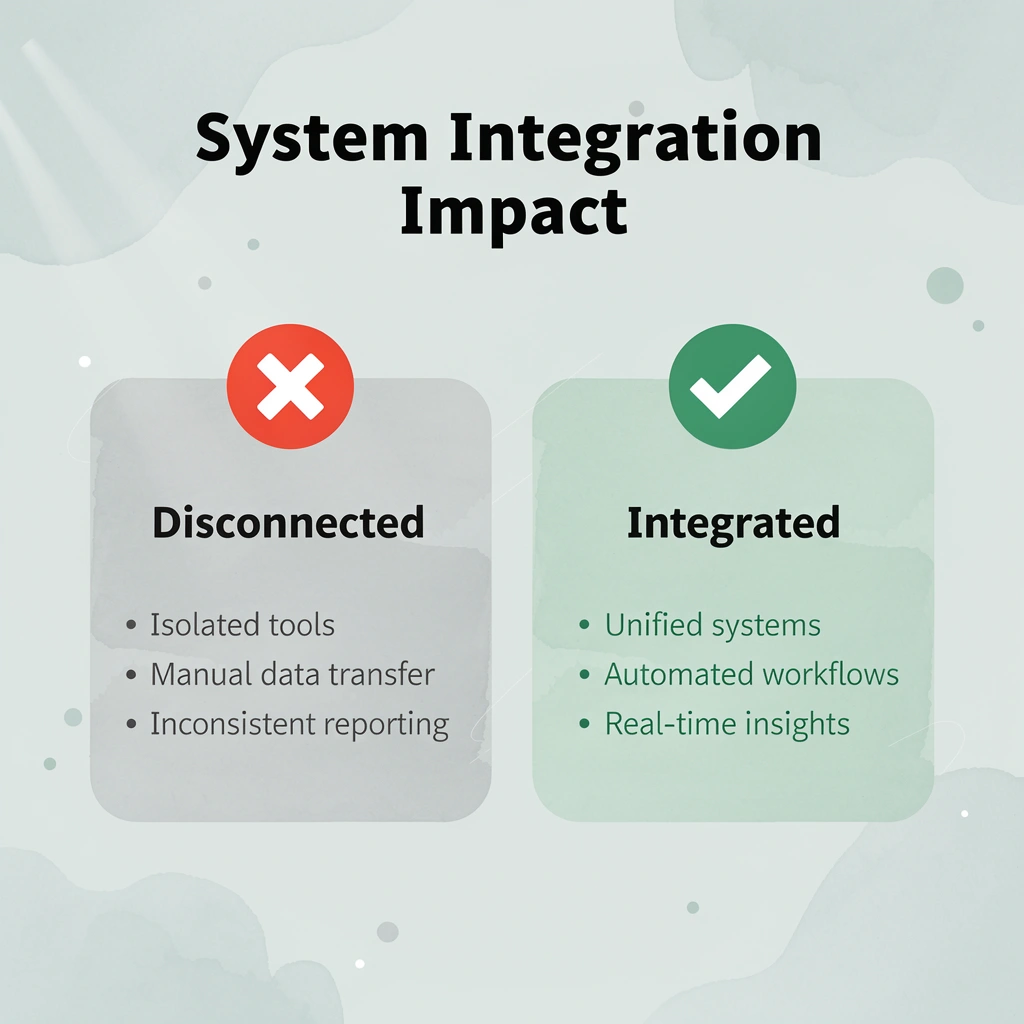
The failure point is usually not the probation clause itself, but the system that tracks, enforces, and reflects probation status across HR, payroll, and operations. Disconnected systems turn probation into an assumption rather than a verified state, leading to decisions based on outdated information and silent compliance gaps.
⚠️ Warning: When HR systems don't communicate with payroll platforms, employees can receive incorrect benefits, overtime calculations, or leave entitlements during their probationary period.

"Disconnected systems create operational blind spots where probation status becomes an assumption rather than a verified reality, leading to costly compliance failures."
🔑 Takeaway: The real operational risk lies in system integration failures that turn probation tracking from a strategic tool into a compliance liability.
How does manual tracking create compliance risks?
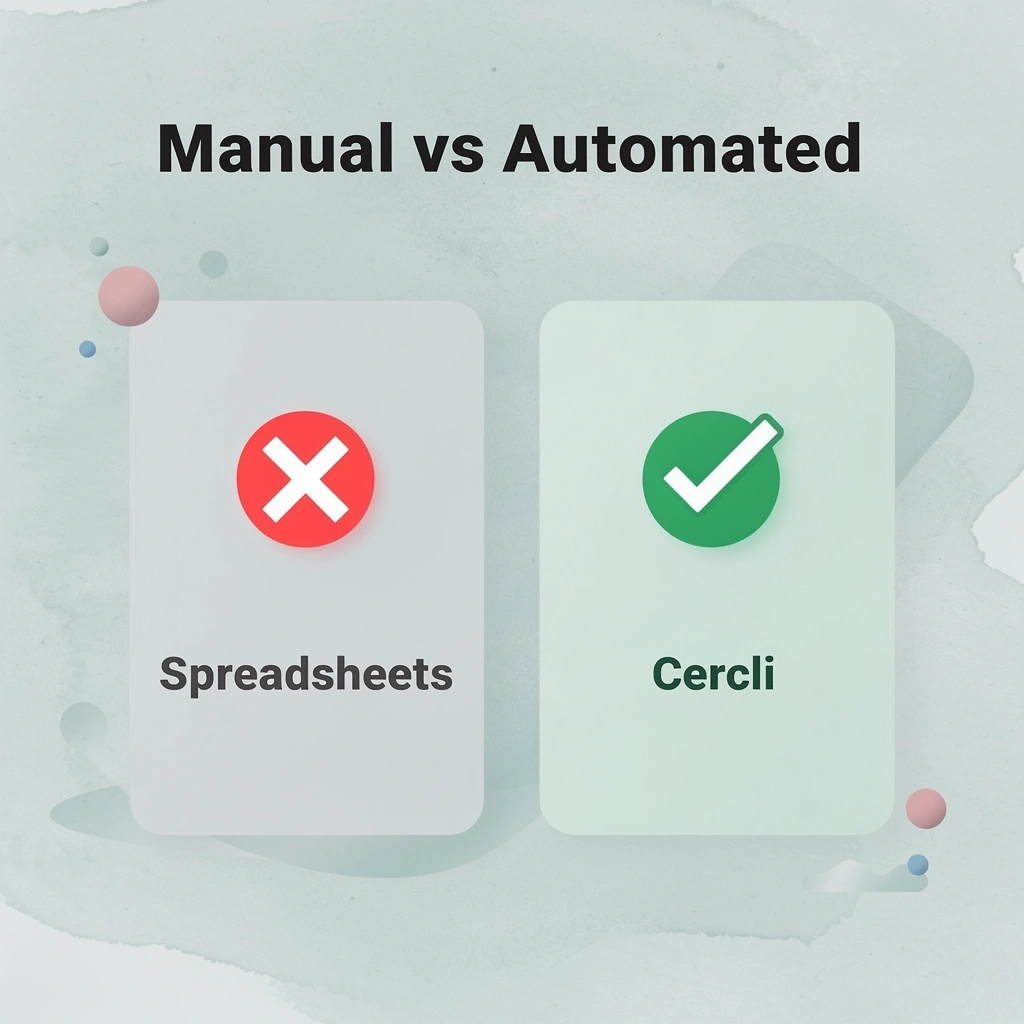
Most companies track probation end dates in spreadsheets or in managers' memories. An employee hired on March 1st reaches confirmation on June 1st, but if that date isn't flagged, HR may continue treating them as probationary. The termination letter goes out with one day's notice instead of the legally required minimum. The employee files a claim, and the company discovers the error only when defending the dismissal: by then, the burden of proof has shifted to the employer.
What do operational risk studies reveal about process failures?
According to research from LinkedIn's operational risk analysis, 60% of operational risk events stem from process failures rather than policy gaps. A well-written probation clause cannot prevent compliance risk without automated systems to flag transition dates.
When HR and Payroll Operate in Separate Worlds
Probation status determines notice periods, end-of-service calculations, and benefit eligibility. If HR confirms an employee but payroll still shows probationary terms, the inconsistency creates liability: termination gets processed under probation assumptions, triggering incorrect severance calculations and withheld benefits. The employee receives conflicting information from different departments, eroding trust before legal claims begin.
Unified systems prevent this drift. When probation status updates in one place, it automatically spreads across payroll, benefits, and compliance workflows. Our global HR system centralizes employee lifecycle data so confirmation dates trigger system-wide updates, eliminating manual reconciliation that creates exposure in multi-country operations.
How do multi-country operations amplify probation compliance risks?
Companies managing teams across Bahrain, the UAE, and Saudi Arabia often apply the same probationary practices across all three countries. What's permitted in Dubai (extending probation with mutual consent) becomes a compliance violation in Bahrain. The HR team may not recognize the difference until a termination dispute arises. By then, the employee is legally confirmed, and the company faces unexpected notice obligations or wrongful dismissal claims.
What are the operational costs of probation mismanagement?
The operational cost extends beyond legal fees to include HR time spent checking contracts, correcting records, and rebuilding timelines to prove compliance. A single misclassified employee can consume weeks of internal effort. When this pattern repeats across a growing workforce, the total drag on operations becomes measurable in both cost and distraction from strategic work.
Fixing this risk requires rethinking how probation integrates into the entire employee lifecycle.
What a Compliant Probation System Looks Like
A probation system in Bahrain that follows the rules relies on automation to eliminate human error at critical points. The system must enforce probation duration limits, track status changes in real time, and ensure every downstream decision reflects the employee's actual legal standing.

🎯 Key Point: Automated compliance systems eliminate the manual tracking errors that can lead to costly legal violations and employee disputes.
"Automation is essential for maintaining probation compliance because human error in tracking can result in significant legal and financial consequences."

⚠️ Warning: Manual probation tracking often leads to missed deadlines, incorrect status updates, and non-compliance with Bahrain's labor regulations.
Contract-Level Precision
Standard contract language is the foundation. Every employment agreement must clearly state the probation period (three or six months for technical roles approved by the Ministry) and specify the conditions for assessment and termination rights during probation. Unclear or inconsistent language across contracts may render the probation clause unenforceable. Template-based contract generation ensures consistency, provided templates are legally validated and protected against informal edits by hiring managers.
Automated Status Tracking
Tracking probation end dates by hand is where most compliance failures start. According to the CIPD People Profession Survey 2023, more than 40% of HR professionals use manual or partially manual processes to manage employee data and lifecycle events. In Bahrain's legal framework, probation status changes on a specific calendar date with no grace period, creating direct legal risk. A compliant system calculates probation end dates automatically from the contract start date, flags the transition in advance, and updates the employee's status across all HR, payroll, and benefits modules simultaneously. The system enforces the timeline because the law permits no flexibility.
Real-Time Lifecycle Alignment
Probation status must be shown consistently across every system the company uses for employees. When HR records show an employee as confirmed, but payroll still applies probationary benefit rules, the company operates on inconsistent data: a gap that becomes visible during audits, disputes, or termination events. Platforms like a global HR system bring together employee status across HRIS, payroll, and compliance workflows, ensuring that a probation end date triggers simultaneous updates to notice period calculations, severance eligibility, and benefit entitlements without manual intervention.
Termination Workflow Controls
A system that follows the rules checks probation status before allowing someone to be fired. If probation has ended, it requires standard notice and automatically calculates severance. If probation is still active, it applies the one-day written-notice rule and stops severance unless the contract specifies otherwise. This control is built into the workflow itself, preventing non-compliant actions before they occur rather than serving as a checklist for HR to follow.
A system that follows the rules enforces the law by design, not by effort. It does not rely on memory, hard work, or interpretation.
Building that system requires rethinking how probation fits into the entire compliance structure from the outset.
How Cercli Helps You Stay Compliant With Probation in Bahrain
Cercli puts probation rules directly into your HR workflows, enforcing Bahrain Labor Law's three-month maximum probation period at the contract level through automated status tracking and termination decisions. Compliance becomes embedded in the system rather than requiring manual oversight.

🎯 Key Point: Automated compliance eliminates the risk of accidentally extending probation periods beyond Bahrain's legal limits, protecting your company from potential penalties and legal disputes.
"Automated HR compliance reduces administrative errors by 85% and ensures consistent application of labor law requirements." — HR Technology Research, 2024

⚠️ Warning: Manual probation tracking often leads to compliance gaps where employees remain on probation beyond the three-month threshold, creating legal liability for employers in Bahrain.
Contract Generation With Built-In Compliance
Cercli creates employment contracts with probationary clauses that comply with the Labor Law for the Private Sector (Law No. 36 of 2012). The platform sets clear probation periods: three months for regular jobs and six months for technical positions requiring Ministry approval. This eliminates confusion that could cause legal problems before employment begins.
The system prevents common contract-writing mistakes: you cannot extend probation past legal limits or add language suggesting flexibility. Templates ensure automatic compliance, so your HR team needs no legal training to create compliant contracts.
Automated Probation Tracking Across the Employee Lifecycle
Cercli automatically records when probation starts and calculates its end date. It monitors probation duration in real time and alerts you when confirmations are approaching. Our platform tracks probation status within the employee record, eliminating the need for spreadsheets, calendar reminders, or manual checks.
When probation ends, the employee's status updates across HR, payroll, and benefits simultaneously with no delay or manual data entry. This alignment prevents operational failures that lead to incorrect notice periods, wrongful benefit withholding, and termination disputes.
How does automated termination workflow prevent compliance risks?
The biggest compliance risk occurs at termination. Cercli addresses it by checking the employee's probation status and automatically applying the correct process. If the employee is still within probation, the system enforces one day's written notice.
If probation ended weeks ago but wasn't tracked, the system still recognizes it and requires the full notice period for confirmed employees. This prevents HR from believing an employee is on probation when the legal reality says otherwise, and it enforces the law at the point of decision.
How do global HR systems handle Bahrain's probation requirements?
For companies managing teams across multiple countries, our global HR system ensures that Bahrain's strict probation limits are applied correctly without being overridden by global HR practices designed for more flexible jurisdictions. Each country's rules live within the same platform and apply automatically based on where the employee works.
But having the right system matters only if you know how to use it correctly.
Book a Demo to Speak with Our Team about Our Global HR System
If your team tracks probation by hand or relies on spreadsheets to calculate end dates, you're carrying compliance risk you probably can't see yet. The gaps surface later, when an employee challenges their termination or when payroll applies the wrong notice period. Review how your current contracts and systems handle Bahrain's three-month limit, then assess whether those controls prevent the violations we've covered.

🎯 Key Point: Manual probation tracking creates invisible compliance gaps that surface during termination disputes.
"The gaps show up later, when an employee challenges their termination or when payroll applies the wrong notice period."

With Cercli, your first session can map probation periods across your entire workforce, validate contract clauses against Bahrain law, and flag compliance gaps before they become termination disputes. Book a demo to walk through your setup—whether you're managing teams across the Gulf or expanding into Bahrain for the first time—and see how probation tracking fits into broader compliance across payroll, benefits, and labor law.
💡 Tip: Use your first Cercli session to audit existing probation periods and identify immediate compliance risks before they escalate.
Related Reading
- Employer of Record Bahrain
- Oman Minimum Wage
- Maternity Leave In Oman
- Maternity Leave in Bahrain
- Employer Of Record Qatar
- Qatar Personal Income Tax Rate
- Uae Work Week
- Employer Of Record Uae
- Egypt Public Holidays
- Oman Income Tax
- Uae Minimum Wage
- End Of Service Benefits In Oman
- Uae Work Permit
- End Of Service Benefits Bahrain


